Electric Utilities and the Outdoor Asset Problem: Substations, Lines, and the Weather They Can't See
Electric utilities manage billions in outdoor assets exposed to weather they cannot see. Learn the asset protection challenge.

The $87 Million Substation
A major utility in the Southeast operates a critical substation worth $87 million. It serves 240,000 customers and connects three transmission lines. The substation has weather protection systems, but they're activated based on regional forecasts that update every 6 hours.
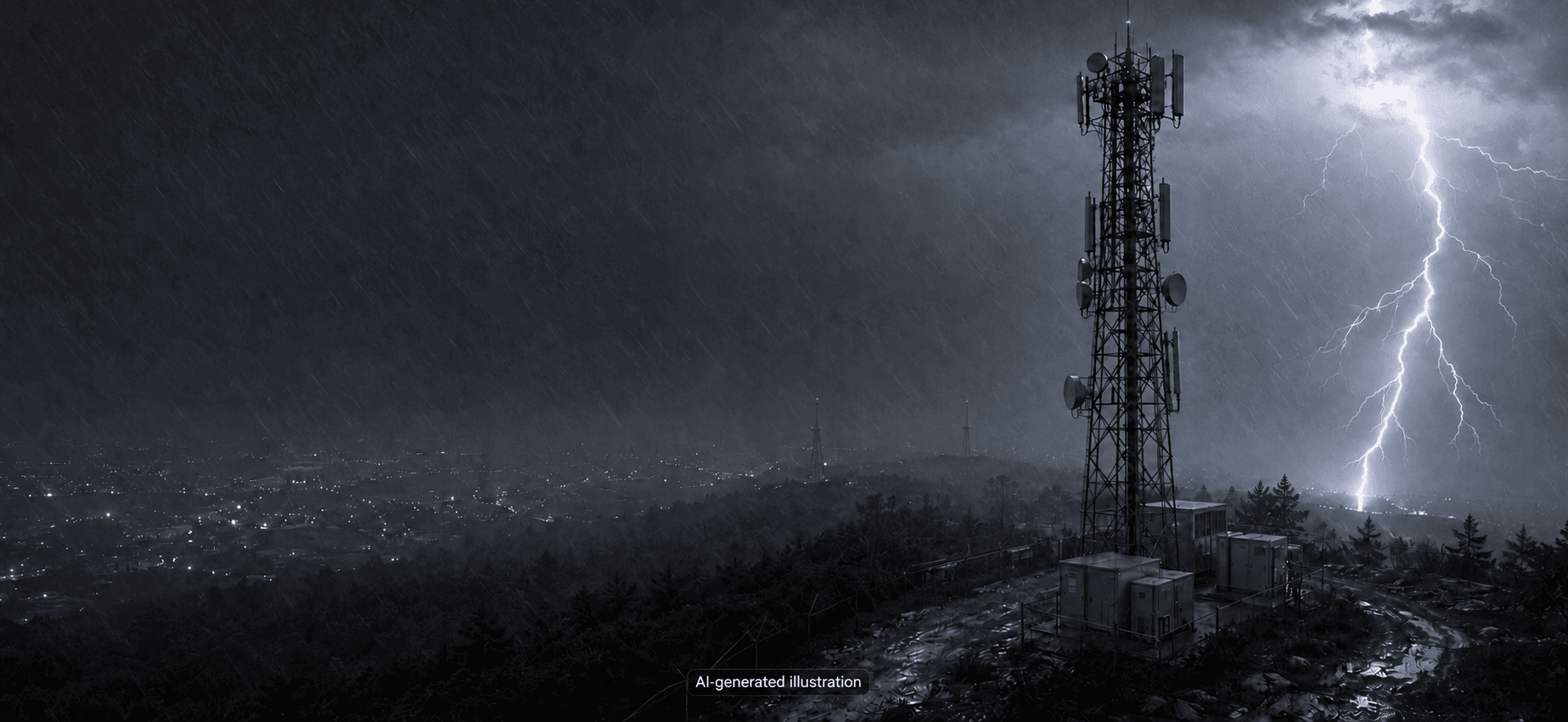
On a Tuesday afternoon, a severe thunderstorm developed 15km from the substation. The regional forecast, updated 4 hours earlier, predicted the storm would miss the area. The protection systems weren't activated. At 3:47 PM, a lightning strike and high winds caused a cascading failure. The substation went offline for 18 hours. The cost: $87 million in equipment damage, plus $12 million in lost revenue and customer credits.
This scenario illustrates a fundamental problem: electric utilities manage billions of dollars in outdoor assets—substations, transmission lines, distribution poles—but they make protection decisions based on weather forecasts that are too coarse and too stale.
The Outdoor Asset Exposure
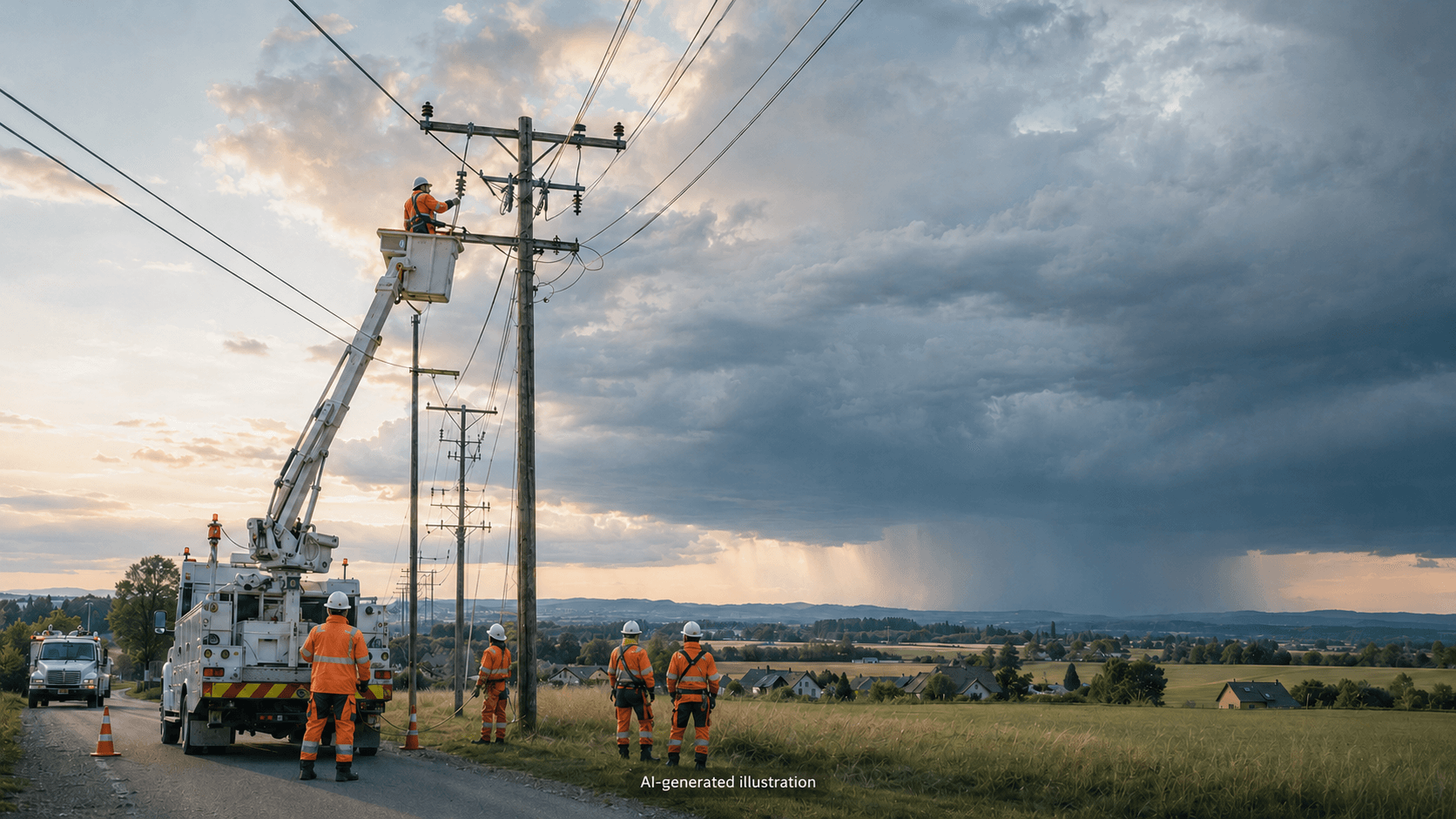
Electric utilities have more outdoor infrastructure exposed to weather than almost any other industry:
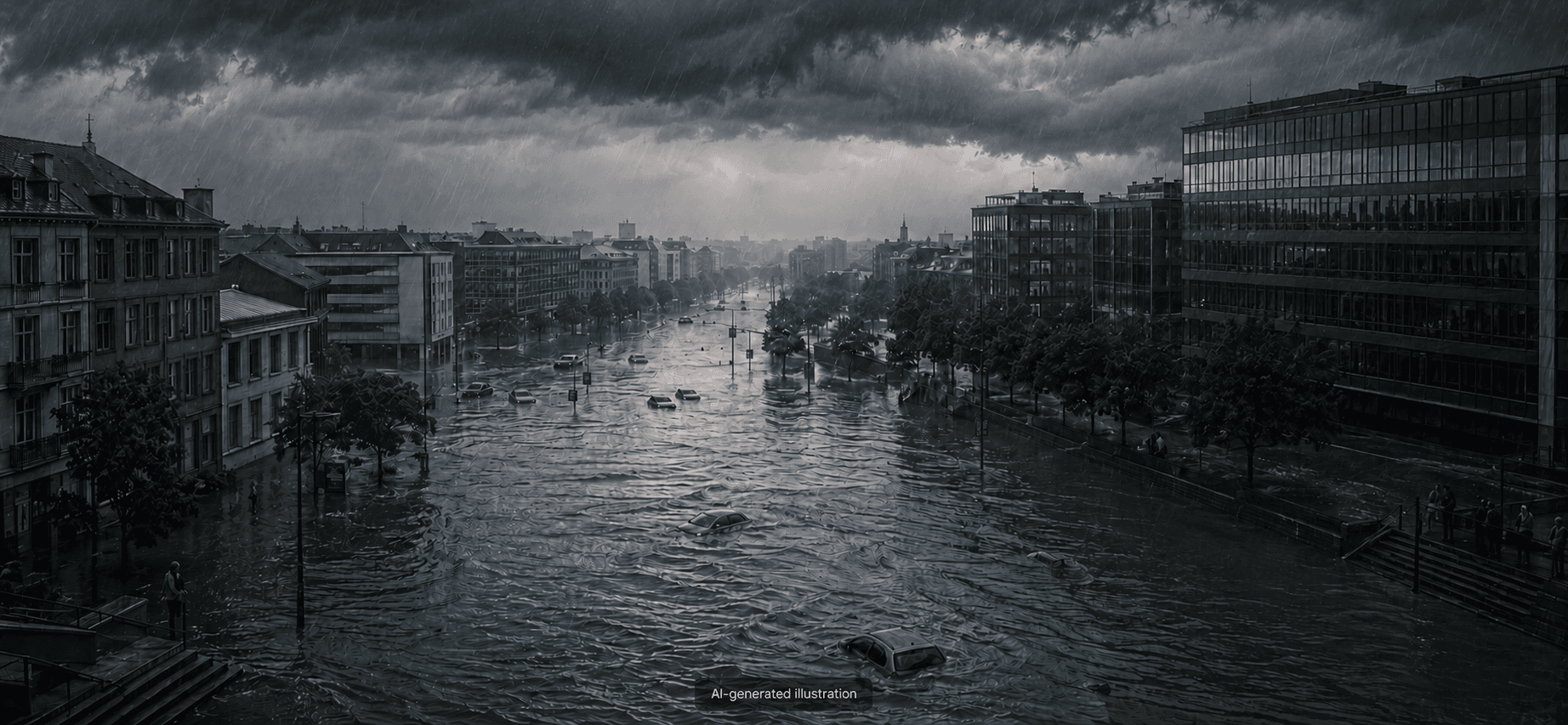
- Substations: Critical facilities worth $20-100 million each, vulnerable to flooding, hail storms, high winds, and lightning
- Transmission Lines: Thousands of kilometers of high-voltage lines, vulnerable to wind, ice, and wildfires
- Distribution Poles: Millions of poles, vulnerable to wind, ice, and flooding
- Transformers: Outdoor equipment worth $50,000-$500,000 each, vulnerable to temperature extremes and flooding
These assets are exposed 24/7, but protection decisions are made based on:
- Regional forecasts: 10-20km resolution, missing hyperlocal conditions
- 3 or 6-hour updates: Forecasts that might be 3-6 hours late, when decisions are needed
- Generic thresholds: One-size-fits-all protection criteria that don't account for local conditions
The Scale: Weather-related damage to utility infrastructure costs an estimated $2-4 billion annually in the United States. Much of this damage is preventable with better, more timely weather intelligence.
Deep Dive: The Protection Gap
Utility assets have weather thresholds—conditions that trigger protective measures:
- Substations: E.g activate flood barriers when rainfall exceeds 2 inches per hour
- Transmission Lines: E.g. reduce capacity when wind exceeds 40 mph
- Transformers: E.g. activate cooling when temperature exceeds 95°F
The problem: these thresholds are applied based on regional forecasts that might miss local extremes. A substation might be experiencing 3 inches per hour while the regional forecast says 1.5 inches.
Case Study: A utility analyzed 23 weather-related asset failures over 3 years. They found that 17 failures (74%) occurred when actual conditions exceeded protection thresholds, but regional forecasts didn't predict the exceedance. The failures weren't due to inadequate protection—they were due to inadequate weather inputs.
Skyfora's Advantage: Asset-Specific Weather Intelligence
Skyfora provides hyperlocal weather intelligence for individual utility assets, enabling protection decisions based on actual and local conditions, not regional averages.
Our approach:
- High Resolution: We provide weather intelligence for each substation, transmission line segment, and critical asset location
- 15-Minute Updates: Our data may update nowcasts continuously, ensuring protection decisions are based on current conditions and new information
- Asset-Specific Thresholds: With higher forecast trust, your forecast provider customize forecasts for each asset's specific protection criteria
- Real-Time Alerts: Our data may trigger automated alerts when conditions approach or exceed protection thresholds
The Impact: A utility using Skyfora's asset-specific intelligence could reduce weather-related damage and improved protection system activation.
Practical Applications
- Substation Protection: Real-time, hyperlocal forecasts enable substations to activate flood barriers, cooling systems, and lightning protection exactly when needed
- Transmission Line Management: Line-specific wind and temperature forecasts enable operators to adjust capacity and activate protection systems proactively
- Maintenance Scheduling: Asset-specific weather forecasts enable utilities to schedule maintenance during favorable conditions, reducing exposure and improving safety
- Emergency Response: Real-time, hyperlocal forecasts enable utilities to pre-position crews and equipment at assets most likely to be affected
Conclusion
Electric utilities manage billions in outdoor assets exposed to weather, but they make protection decisions based on forecasts that are too coarse and too stale. The solution should be asset-specific weather intelligence that provides hyperlocal, real-time forecasts for each critical asset. By enabling 1km resolution forecasts and nowcasts that update every 15 minutes, Skyfora enables utilities to protect assets based on actual conditions, not regional averages. For utilities managing billions in infrastructure, that precision isn't just valuable—it's essential for asset protection.