
Featured Article
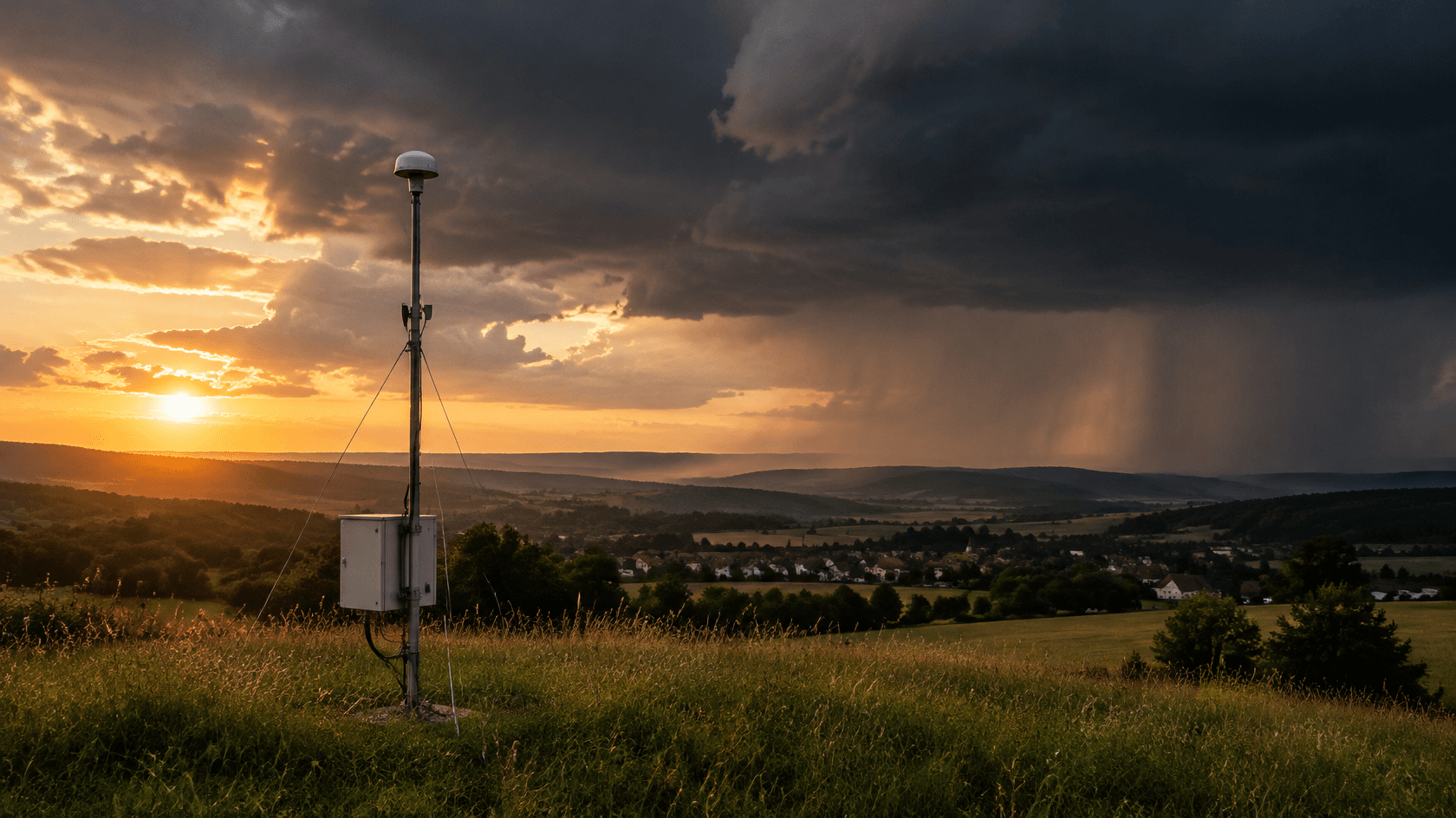
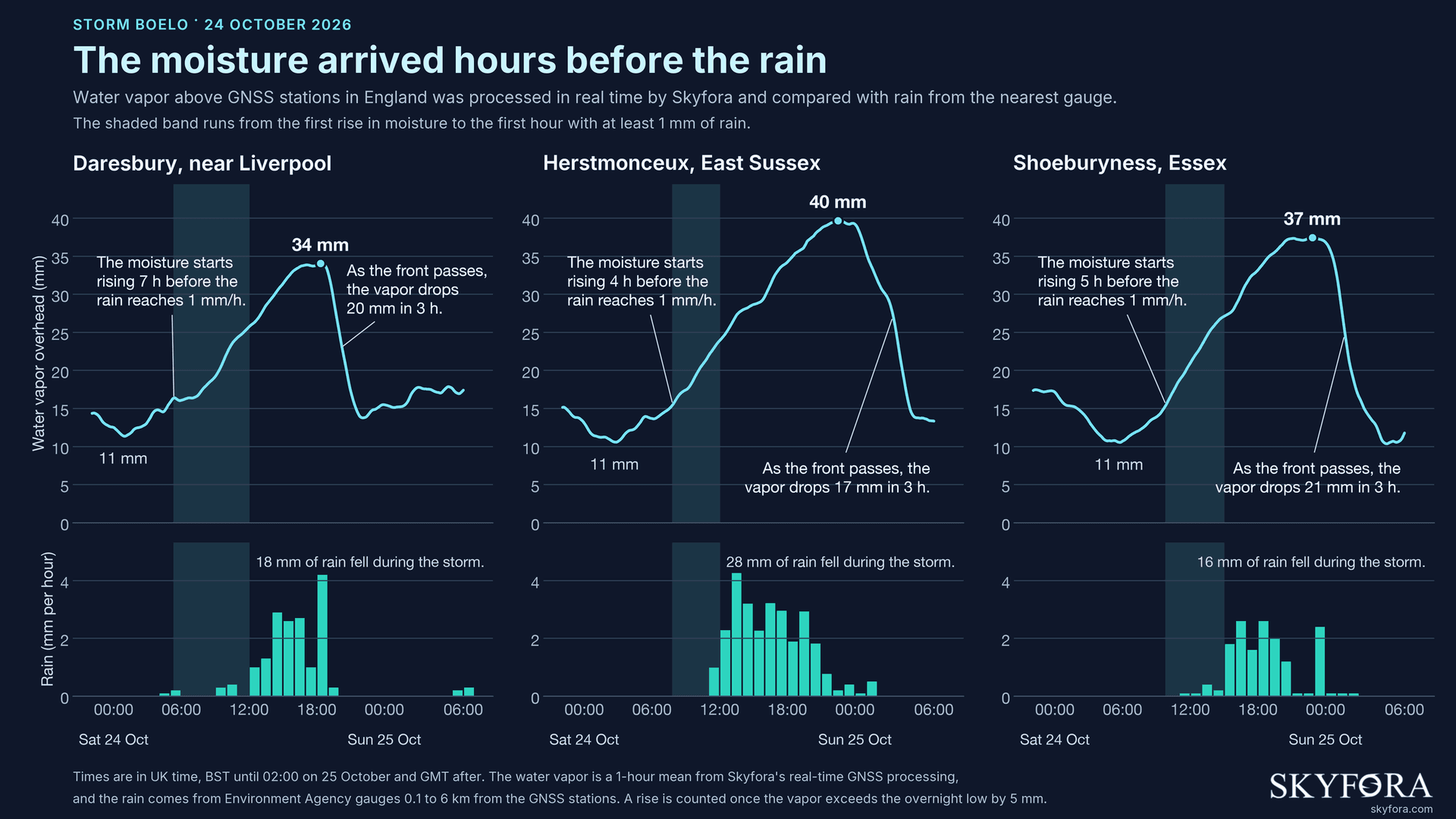
Storm Boelo from the lens of GNSS water vapor
Storm Boelo crossed the UK on Saturday 24 October. As it came in, Skyfora measured the water vapor above GNSS receivers in real time. At two receivers in England with an Environment Agency rain gauge nearby, we compared the vapor with the rain that fell.
The Near-Hour Exposure Crisis: Why Every Industry Needs Weather Data That Updates Every 15 Minutes
Every industry needs weather data that updates every 15 minutes. The near-hour exposure crisis demands real-time intelligence.
City Resilience Scorecards: How Municipalities Measure Weather Vulnerability (And Why They're Wrong)
Municipalities measure weather vulnerability wrong. City resilience scorecards miss critical data. Learn what is missing.
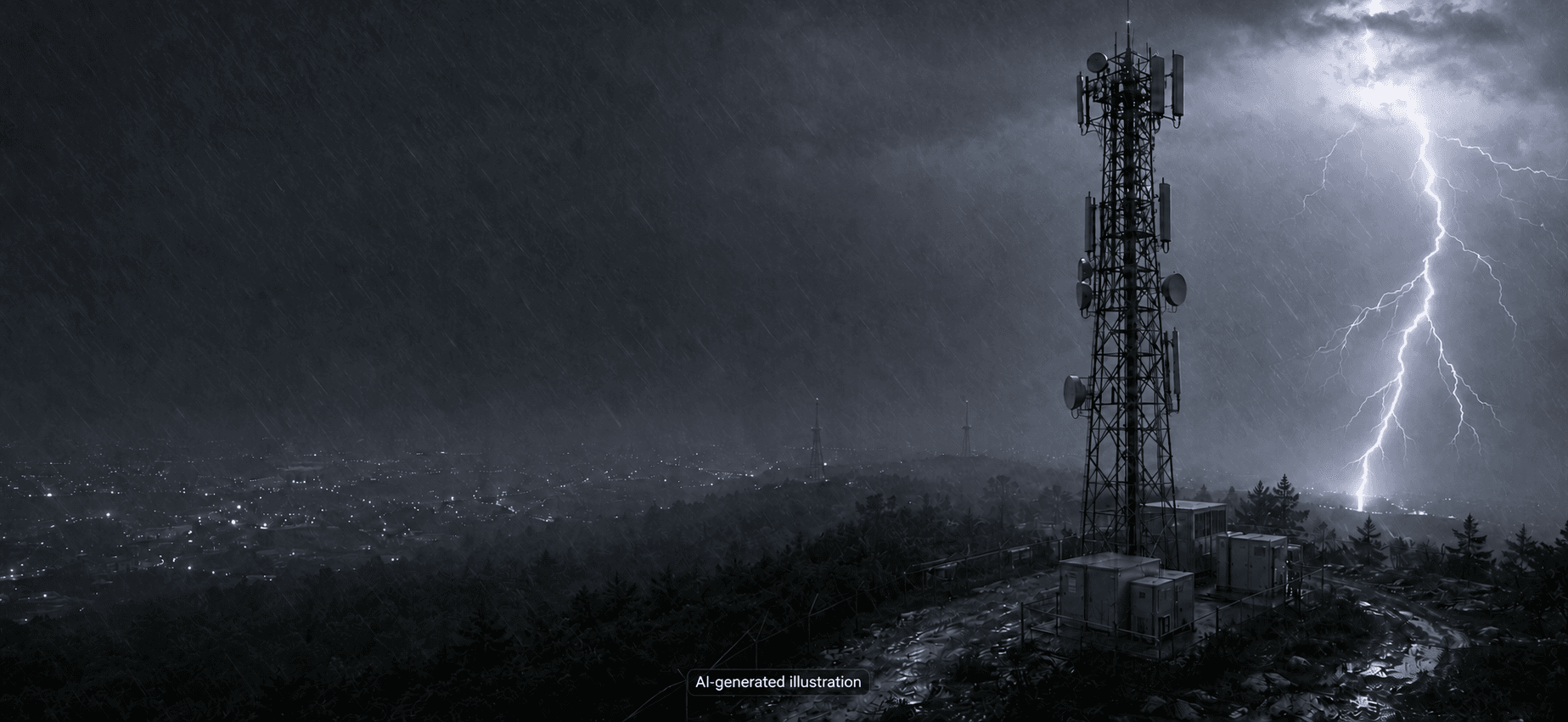
Utility Asset Weather Risk: Transformers, Poles, and the Forecasts That Arrive Too Late
Transformers and poles fail when forecasts arrive too late. Utility asset weather risk costs billions. Explore the exposure.
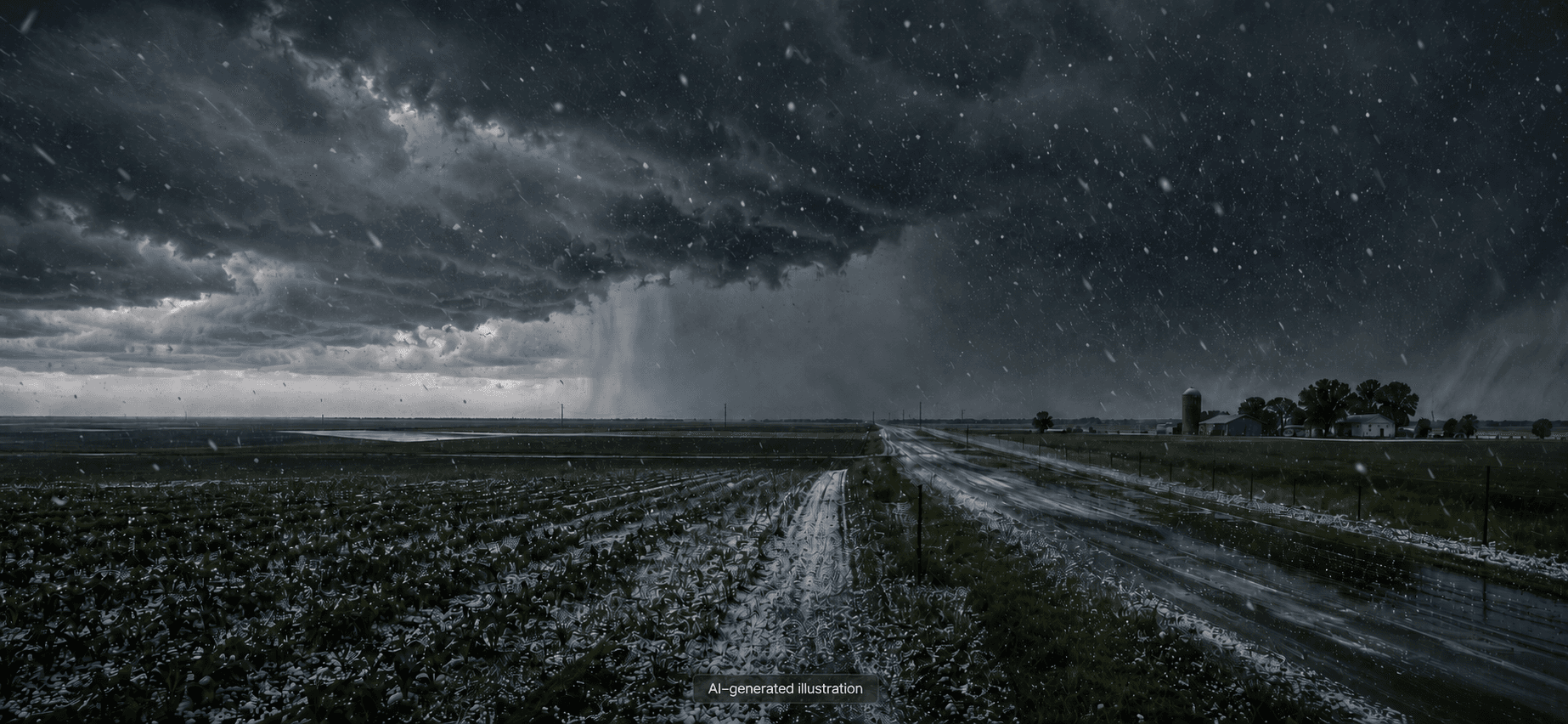
Regional AI Models Need Regional Data: Why Global Weather AI Fails at Local Scale
Global weather AI fails at local scale. Regional models need regional data. Learn why observation density matters for AI accuracy.
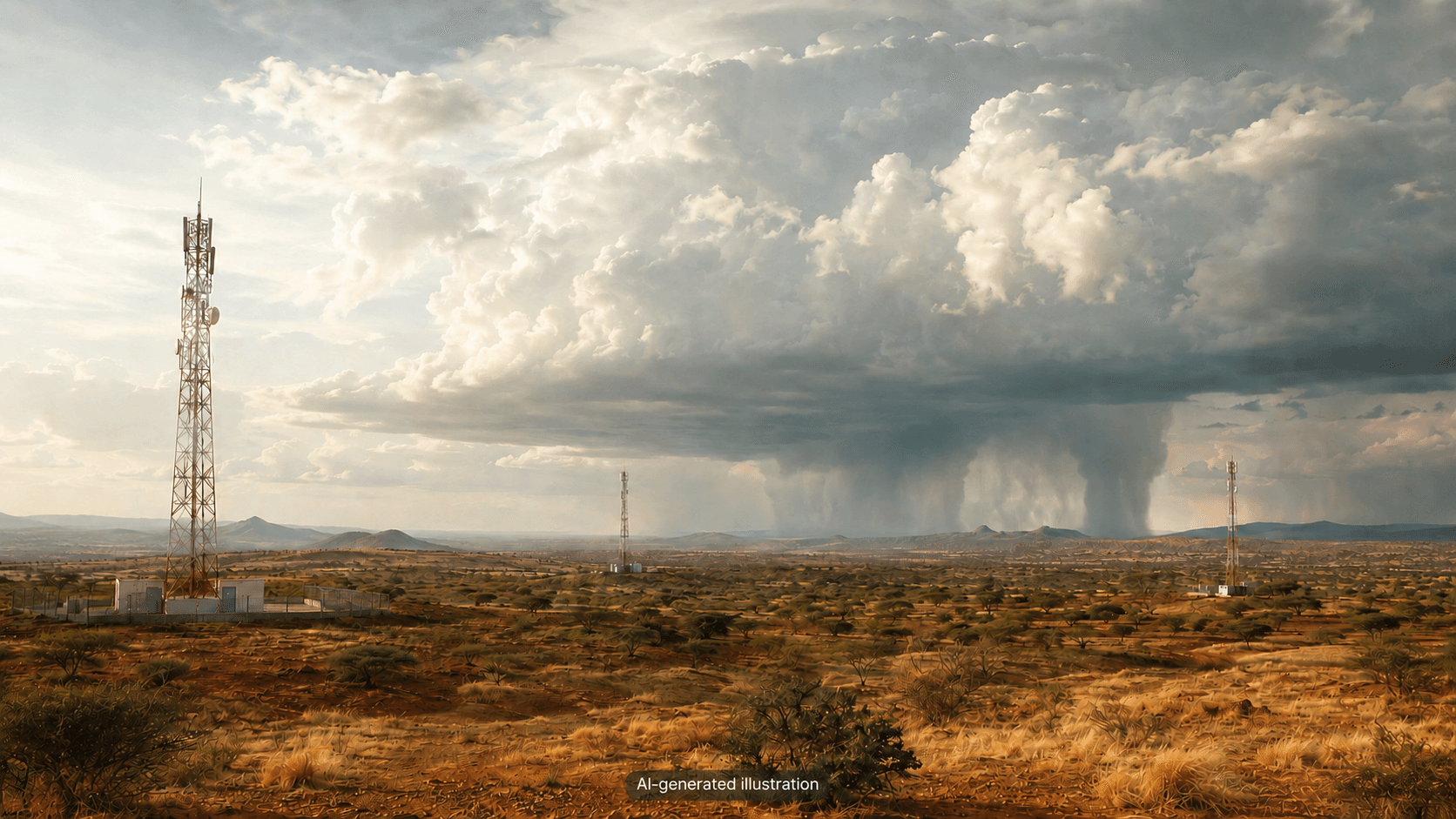
The African Weather Data Gap: Why GNSS Networks Could Bridge the Observation Desert
Africa faces a weather data gap. GNSS networks could bridge the observation desert. Discover the solution to Global South blindness.
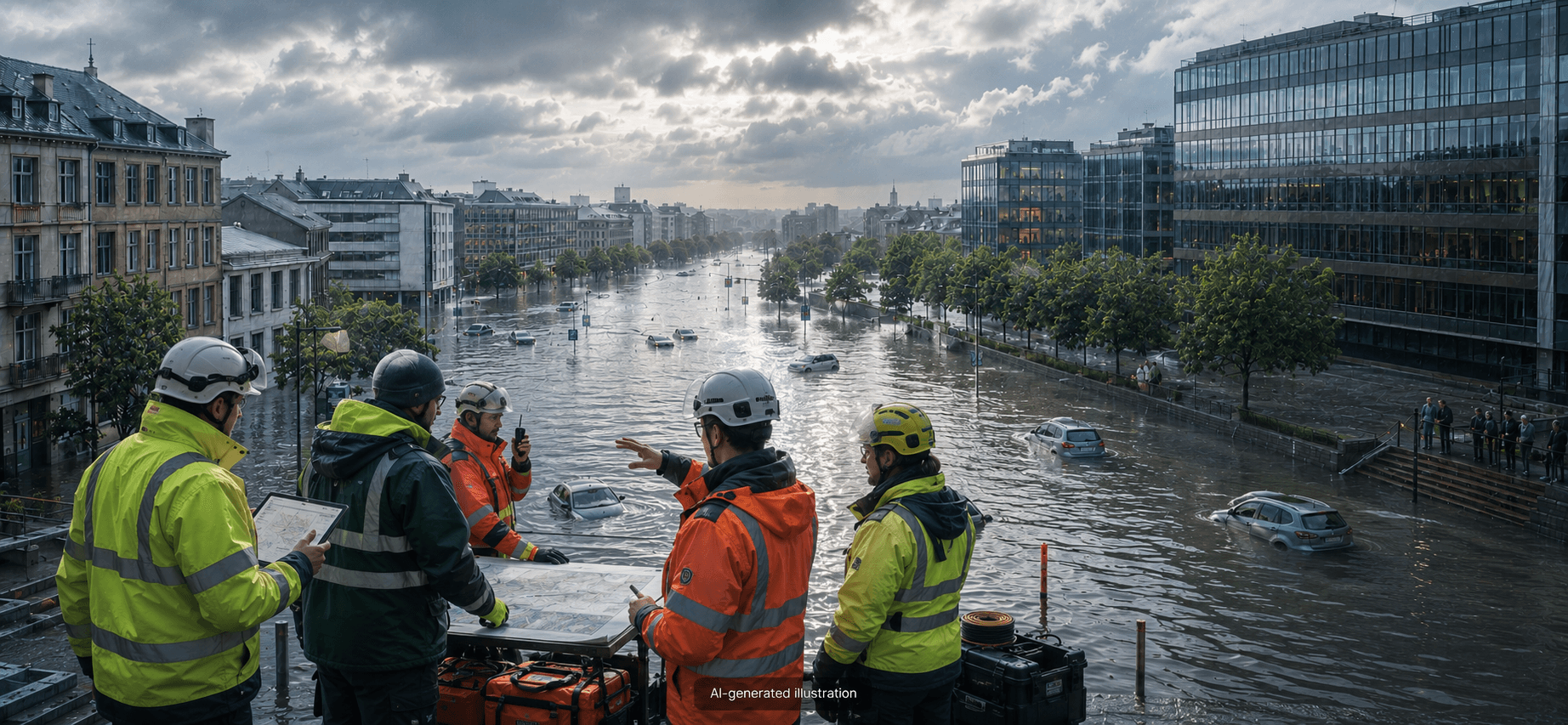
Municipal Emergency Response: How Bad Weather Forecasts Paralyze City Services
Bad weather forecasts paralyze city services. Municipal emergency response depends on accurate, timely and dense data. Learn the impact, prepare your city.
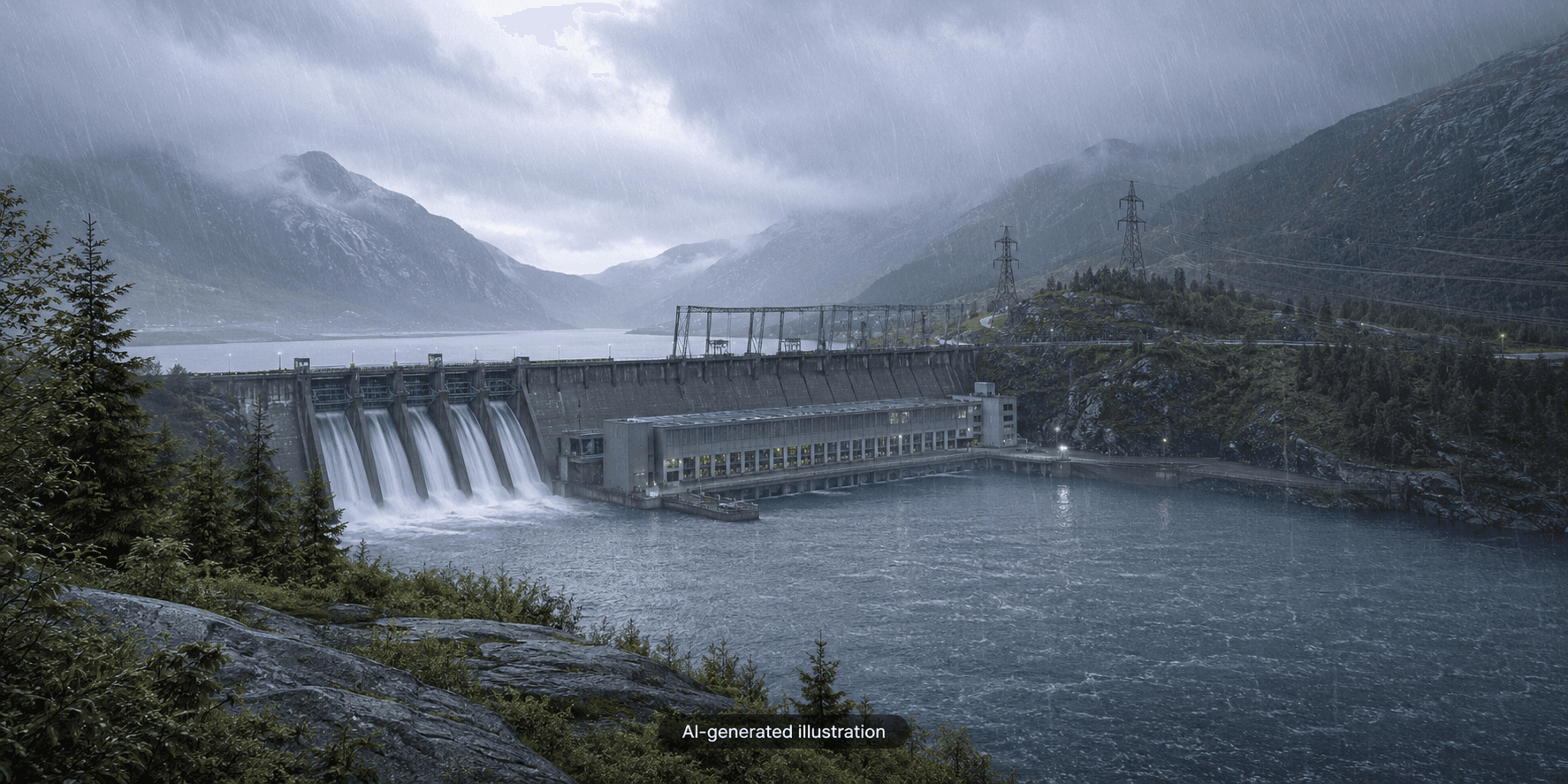
Uncontrolled Water Events: When Storm Surge Meets Urban Drainage and Everything Breaks
When storm surge meets urban drainage, everything breaks. Uncontrolled water events reveal infrastructure vulnerabilities.
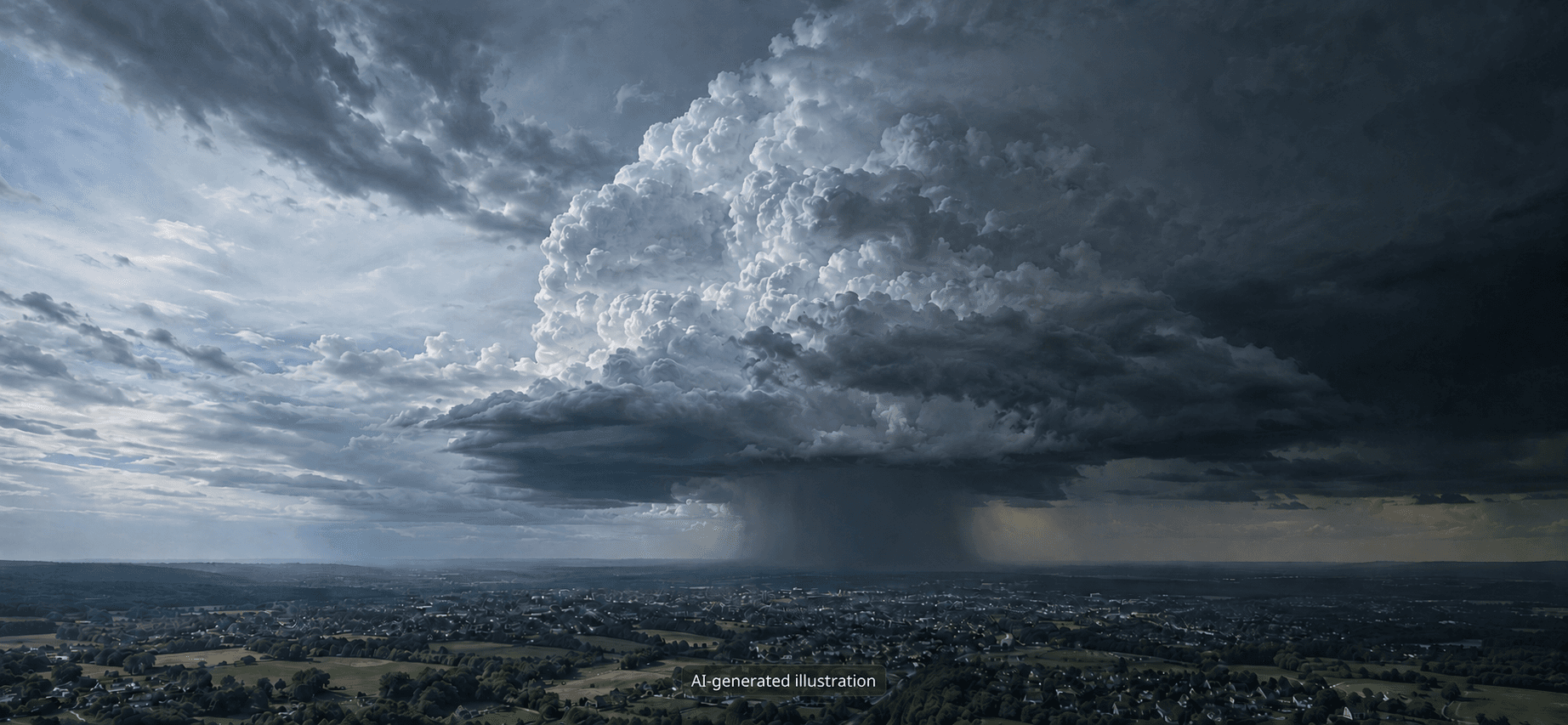
The 30-Minute Forecast Gap: Why ""Current Conditions"" Isn't Good Enough for Critical Operations
Current conditions are not enough for critical operations. The nowcast gap costs industries billions. Here is why.
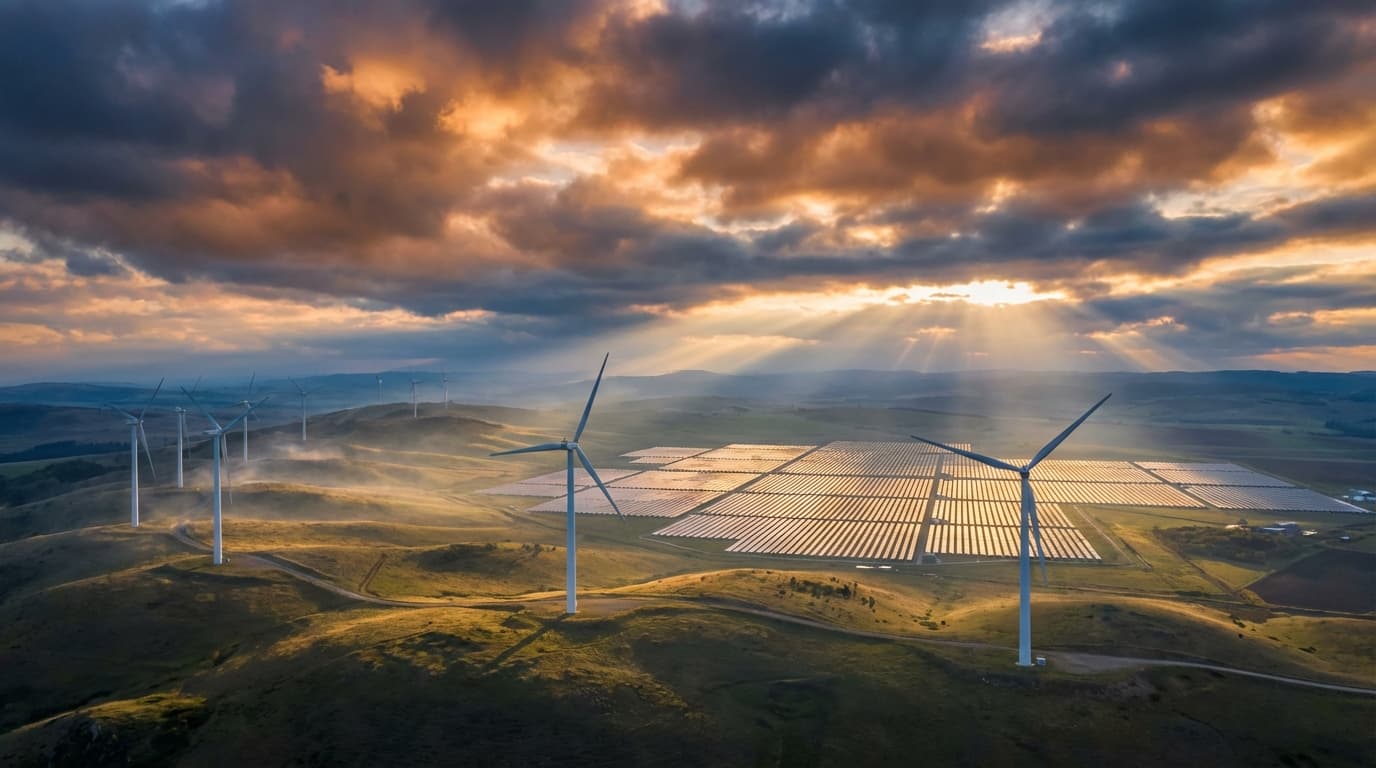
Renewables Imbalance Penalties: When Wind Gusts Cost Power Producers $50K Per Hour
Wind gusts cost power producers $50K per hour in imbalance penalties. Learn how renewables volatility impacts grid economics.

Flash Flood Alley: Why Some Cities Flood Every Year and Forecasts Still Miss It
Some cities flood every year, yet forecasts still miss it. Discover why Flash Flood Alley remains a prediction challenge.
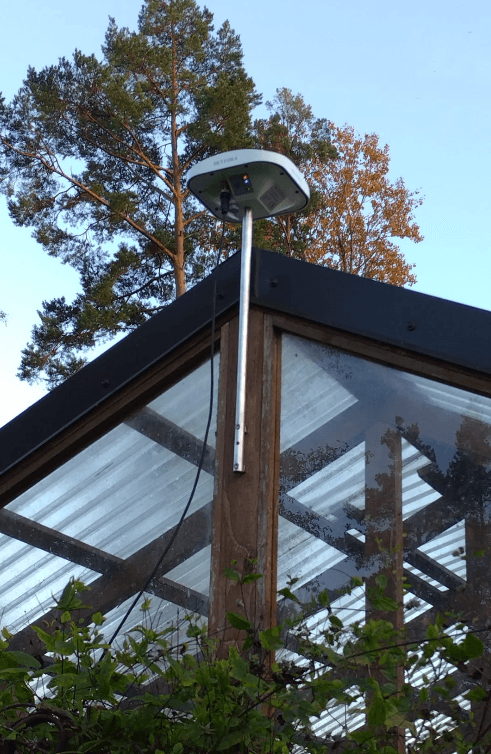
Observation Density vs Model Resolution: Why 1km Models Need 1km Data
1km weather models need 1km data. Learn why observation density must match model resolution for accurate forecasts.
The Nowcasting Revolution: How 15-Minute Updates Change Everything for Operations
Nowcasting revolutionizes operations with 15-minute updates. See how rapid refresh changes everything for critical decision-making.
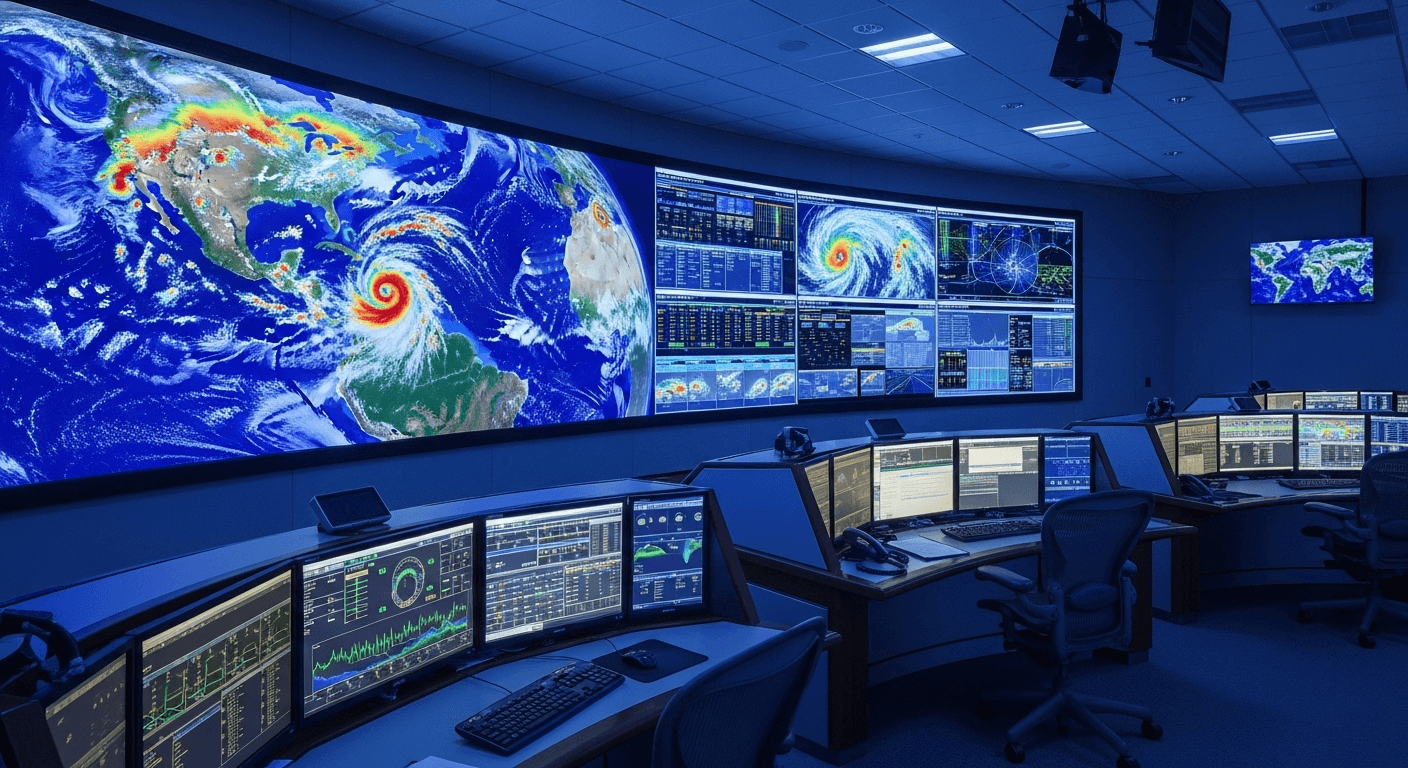
Telco Infrastructure Weather Exposure: Why Cell Towers Fail When Forecasts Are 20km Off
Cell towers fail when forecasts are 20km off. Telco infrastructure weather exposure costs billions. Learn the infrastructure risk.

Hydropower's Unregulated Water Problem: When Snowpack Forecasts Miss by Days
Hydropower depends on unregulated water. When snowpack forecasts miss by days, operators lose millions. Explore the water problem.

Municipal Budgets Under Water: How Flash Floods Bankrupt Small Cities
Flash floods bankrupt small cities. Municipal budgets cannot handle the cost of forecast failures. Here is the financial reality.

City Flood Vulnerability: When Urban Canyons Turn Into River Channels
Urban canyons become river channels during floods. Learn why cities are uniquely vulnerable and how better forecasts help.
From Global to Regional: Why AI Weather Models Need Denser Observations, Not Just More Compute
AI weather models are moving from global to regional. But they need denser observations, not just more compute. Discover the data gap.
The Global South's Weather Blindness: Why Observation Networks Fail Where They're Needed Most
The Global South suffers from weather blindness. Observation networks fail where they are needed most. Here is why and how to fix it.
Electric Utilities and the Outdoor Asset Problem: Substations, Lines, and the Weather They Can't See
Electric utilities manage billions in outdoor assets exposed to weather they cannot see. Learn the asset protection challenge.
Solar Forecasting's Cloud Problem: When 30-Minute Cloud Cover Shifts Wreck Day-Ahead Markets
Solar forecasting fails when clouds shift in 30 minutes. See how day-ahead markets crumble under rapid cloud cover changes.
Wind Power's Dirty Secret: Rapid Near-Hour Changes That Grid Operators Can't Predict
Wind power faces a hidden crisis: rapid near-hour changes that grid operators cannot predict. Discover the volatility challenge.
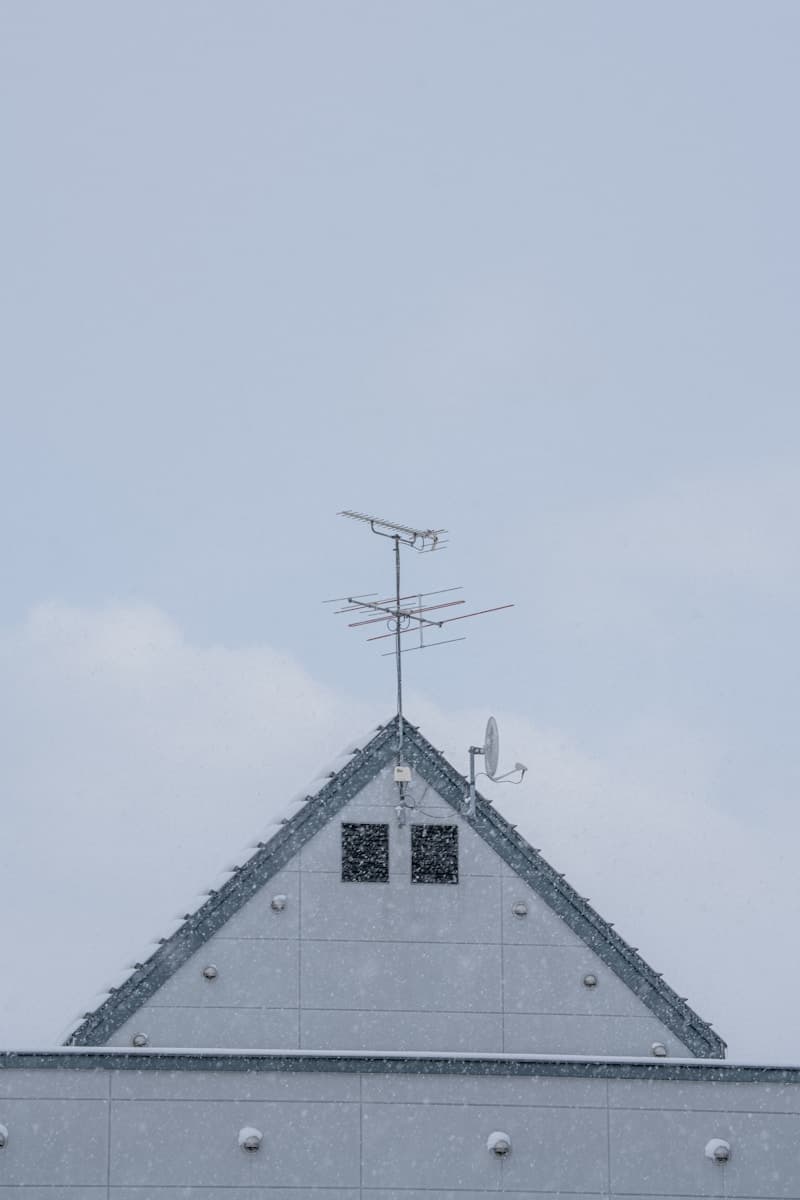
The Real-Time Gap: Why Your Weather App Updates Every 6 Hours (And Why That's Too Late)
Your weather app updates every 6 hours—too late for critical decisions. Learn why real-time weather data is the new operational standard.
Uncontrolled Water: When Storm Drains Fail and Municipalities Pay the Price
When storm drains fail, municipalities pay billions. Explore how uncontrolled water events bankrupt cities and what can prevent them.
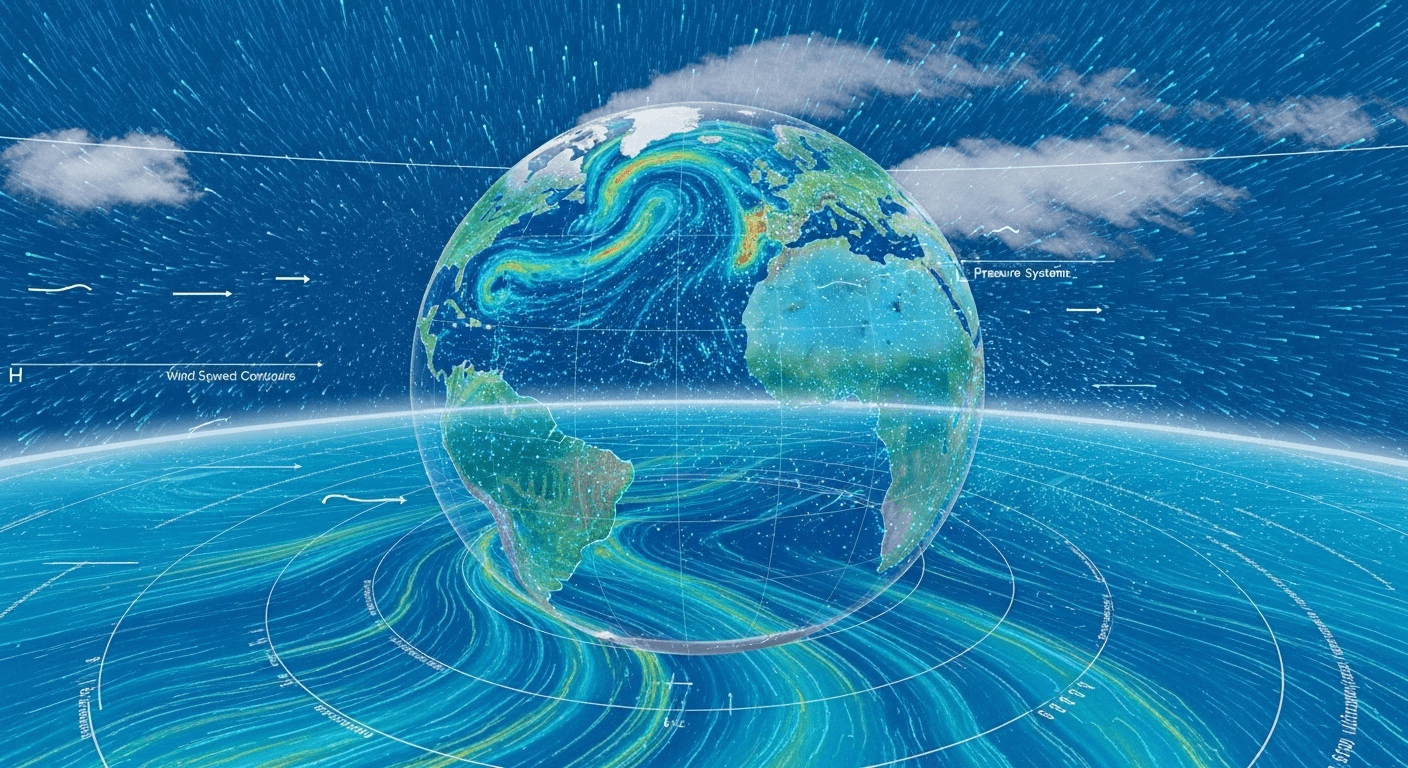
Flash Floods in the Data Desert: Why Observation Sparsity Kills Early Warning
Flash floods kill because warnings arrive too late. Learn why observation sparsity creates deadly data deserts in vulnerable regions.
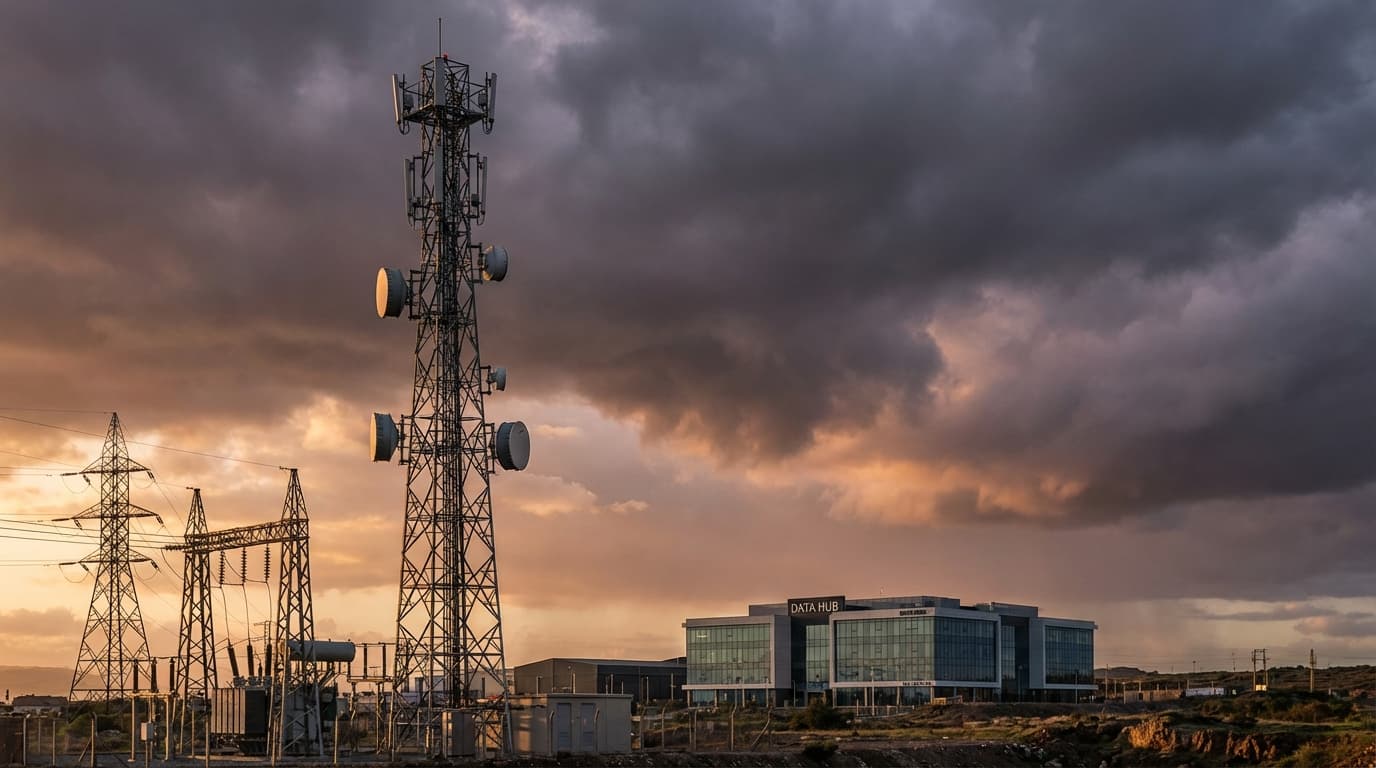
The 15-Minute Window: Why Near-Hour Weather Exposure Costs Utilities Millions
Utilities lose millions when weather forecasts arrive too late. Discover how 15-minute updates prevent near-hour exposure disasters.
Low-Level Wind Shear Detection: Saving Lives at Airports
Landing is the most dangerous part of flying. Learn how GNSS fills the blind spots of LIDAR and Radar to detect wind shear near the runway.
Convective Available Potential Energy (CAPE): The Thunderstorm Fuel Gauge
CAPE measures the energy available for thunderstorms. Standard balloons measure it twice a day. Skyfora measures it continuously.
The Pineapple Express: California's Water Lifeline and Threat
The Pineapple Express brings 50% of California's water but also major floods. Learn how GNSS helps dam operators manage this tropical firehose.
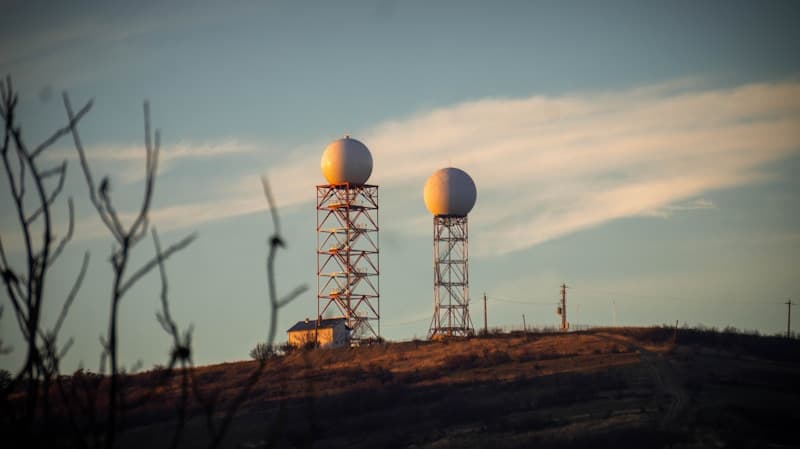
Satellite vs Ground: The Weather Data Debate
Satellites have great coverage, but they struggle to see under clouds. Discover why Ground-based GNSS is the necessary partner to space-based sensing.
Solar Forecasting: The $50B Challenge
Clouds can drop solar output by 80% in seconds. Learn how GNSS tracks water vapor to predict cloud opacity and manage grid stability.
Temperature Inversions: When Cold Air Gets Trapped
Temperature inversions trap smog and pollution like a lid on a pot. See how Skyfora's vertical profiling detects these invisible layers to predict air quality.
Parametric Insurance: When Weather Triggers Automatic Payouts
Parametric insurance pays out automatically based on data, not claims. Learn how Skyfora provides the tamper-proof 'triggers' that power these contracts.
The Anatomy of a Weather Sensor Network
What does a modern weather network look like? It's solid-state, dense, and self-healing. Explore the engineering behind Skyfora's 10km mesh.

Lake Effect Snow: The Microclimate Phenomenon
Lake Effect Snow can dump 5 feet of snow in one town and miss the next. See how GNSS tracks moisture over lakes to predict these narrow bands.
Machine Learning in Weather: Beyond Pattern Recognition
AI models like GraphCast are changing weather, but they suffer from 'hallucinations'. Learn why Physics-Informed ML needs better data to succeed.

How Retailers Lose $1B Annually to Weather Forecast Errors
Retailers lose money when they stock BBQ supplies and it rains. Learn how hyperlocal weather data improves inventory margins by 2-3%.
Radiosonde vs GNSS: The Future of Upper Air Observations
We still launch weather balloons twice a day. It's expensive and sporadic. Compare this to the continuous, digital stream of GNSS atmospheric profiling.
The ROI Calculator: Investing in Hyperlocal Weather Data
Stop guessing the value of weather data. Use our ROI formula to calculate exactly how much money false alarms and missed events are costing your business.
Atmospheric Rivers vs Hurricanes: Understanding the Difference
Hurricanes get the names, but Atmospheric Rivers often bring more rain. Understand the physics differences and why ARs are harder to predict.
Wind Shear: The Silent Danger in Clear Skies
Radar can't see turbulence in clear skies. Discover how GNSS signal fluctuations reveal invisible wind shear zones to keep flights smooth.
The Data Mesh Revolution in Weather Forecasting
Weather prediction is moving from centralized supercomputers to distributed Edge computing. Learn how the Data Mesh makes forecasts faster and more resilient.
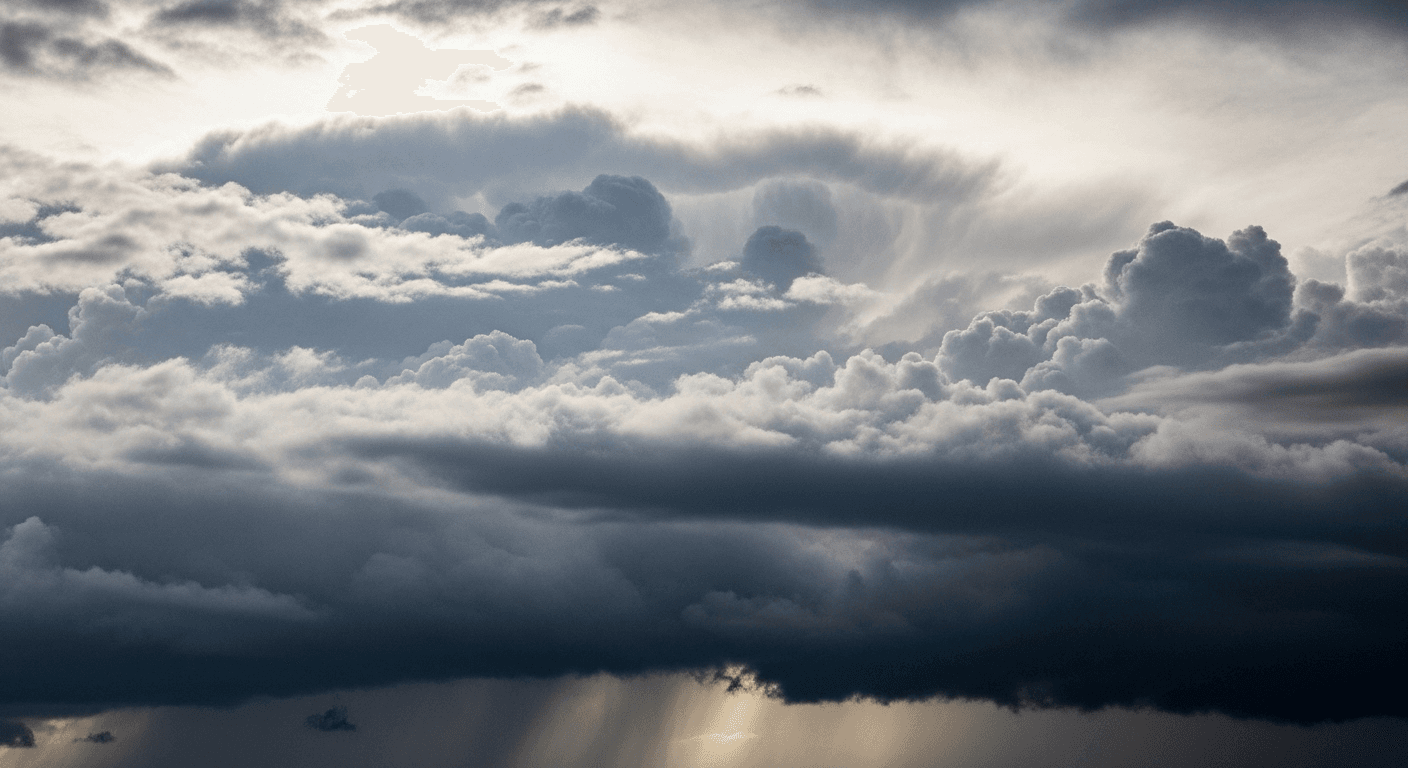
Convective Initiation: Predicting the Birth of Thunderstorms
By the time you see a storm cloud, it's already too late. Skyfora detects the invisible water vapor convergence that triggers storms 45 mins early.
Why Insurance Companies Are Investing in Weather Intelligence
Parametric insurance offers instant payouts but suffers from 'Basis Risk'. See how Skyfora's hyperlocal data is fixing the insurance trust gap.
From GPS to Weather Station: How Telecom Infrastructure Became Climate Sensors
We don't need new weather stations; we need to use the ones we already have. How Skyfora turns existing telecom towers into climate sensors.
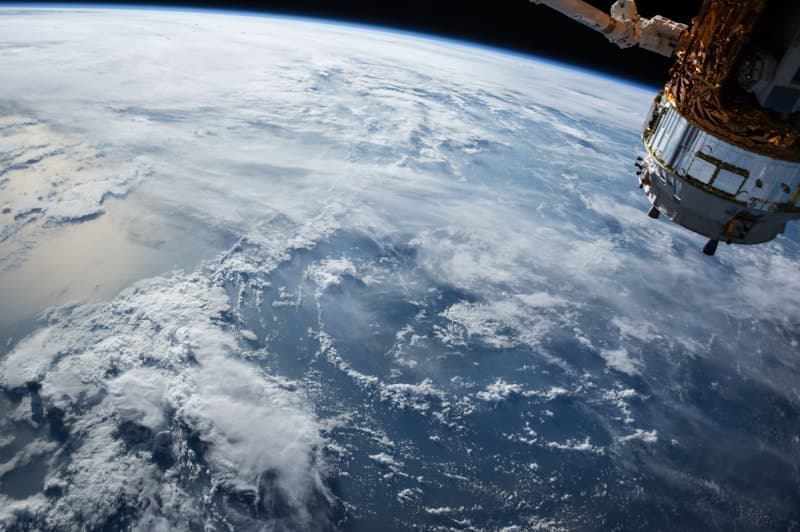
The Science Behind Nowcasting: 0-2 Hour Predictions
Traditional weather models are too slow for the 0-2 hour window. Learn how GNSS data powers the 'Nowcasting' revolution for immediate decision making.
Weather Accuracy and Energy Trading: A €10M Lesson
In energy trading, a slight wind forecast error can cost millions. See how 15-minute GNSS updates give traders the edge in volatile power markets.
Microbursts: The Invisible Aviation Threat
Microbursts are small, deadly downdrafts that radar often misses. Learn how GNSS tomography detects the thermodynamic triggers 10 minutes before they strike.
GNSS Receivers: The Unsung Heroes of Modern Weather Prediction
Your GPS signal gets delayed by water vapor. Skyfora turns this 'error' into the world's most accurate 3D humidity sensor. Here is the science behind GNSS meteorology.
The Hidden Cost of Bad Weather Forecasts in Supply Chain
Weather delays cost logistics $36B annually. Most of this is due to vague forecasts. Discover how hyperlocal data reduces the 'Weather Bullwhip Effect'.
What Are Atmospheric Rivers and Why They Matter More Than Ever
Atmospheric Rivers cause more flood damage than hurricanes in many regions. Learn how GNSS technology detects these invisible rivers 48 hours before traditional methods.
Showing all 52 articles
Stay ahead of the curve
Get expert insights on atmospheric science, weather intelligence, and climate technology delivered directly to your inbox.
Join thousands of professionals staying informed about weather intelligence. Unsubscribe at any time.