From GPS to Weather Station: How Telecom Infrastructure Became Climate Sensors
We don't need new weather stations; we need to use the ones we already have. How Skyfora turns existing telecom towers into climate sensors.
The Trillion-Dollar Hardware We Already Built
Building a global weather observation network is expensive. A single high-end meteorological station can cost $20,000 to install and thousands more to maintain annually. To cover the Earth at a useful resolution, we would need millions of them.
The good news? We already built them. We just call them cell towers.
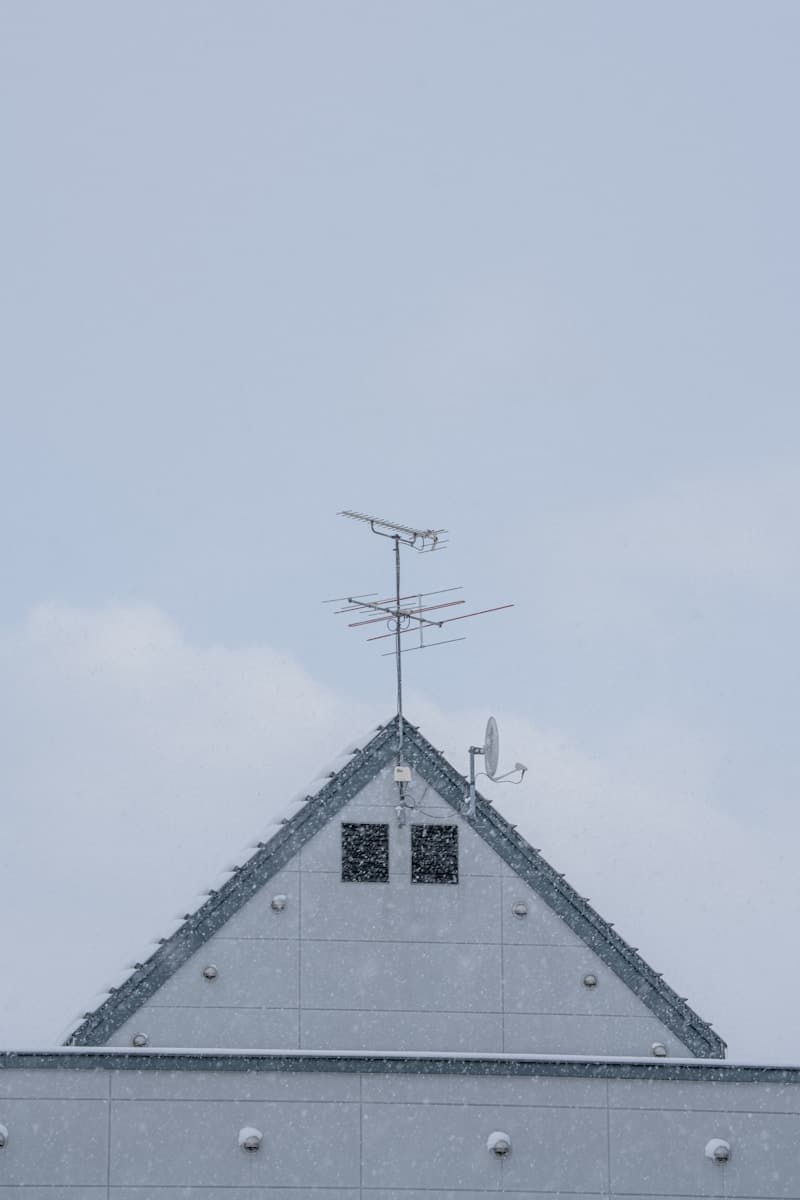
The telecommunications industry has spent trillions of dollars erecting dense networks of towers, equipping them with precise timing equipment, power, and high-speed backhaul. For decades, this infrastructure served one purpose: connecting calls and data. Now, thanks to software innovation, this same hardware is doubling as the world's largest atmospheric sensor network.
Dual-Use Infrastructure
This concept is known as "Opportunistic Sensing." It transforms single-purpose commercial assets into dual-purpose scientific instruments without disrupting their primary function.
Telecom operators are uniquely positioned for this because 5G networks require tighter synchronization and denser cell sites than 4G.
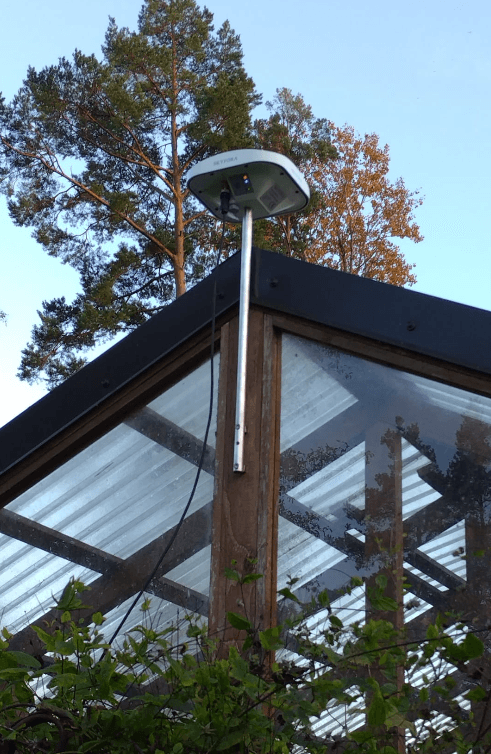
- The Receiver: Modern telecom towers use high-precision GNSS receivers for network timing (Time Division Duplexing).
- The Signal: These receivers track the same satellites Skyfora uses for atmospheric sounding.
- The Data: The raw observation data usually gets discarded after the timing check. Skyfora captures this "exhaust data" and processes it for weather intelligence.
Deep Dive: The Mathematics of Monetization
For a telecom operator (Telco), this represents a new revenue stream from "sunk costs." The tower is there. The receiver is there. The electricity is paid for.
By enabling access to the raw GNSS data, Telcos can monetize their infrastructure twice.
- Primary Revenue: Selling connectivity to subscribers.
- Secondary Revenue: Licensing environmental data to weather companies.
This partnership model allows Skyfora to deploy sensing capabilities at a pace impossible for traditional government agencies. While a national weather service might install 10 new radar sites in a decade, we can "light up" 10,000 existing telecom sites in a few months via software integration.
Skyfora's Advantage: The Urban Canyon Solution
Traditional weather stations are usually located at airports, wide open spaces with flat terrain. But most people (and businesses) live in cities.
Cities are "Urban Canyons" with complex microclimates. Concrete retains heat; tall buildings channel wind. An airport reading 20km away is often irrelevant to the temperature in the city center.
Telecom towers are located exactly where the population is dense. By utilizing this infrastructure, Skyfora achieves:
- Population-Weighted Accuracy: Our forecast accuracy is highest where the most people live and work.
- Street-Level Granularity: In dense 5G deployments (small cells), the sensor spacing can be as low as 200-500 meters, revealing micro-patterns never seen before.
Practical Applications
- Smart Cities: City managers use this dense data to optimize HVAC in public buildings and manage urban heat island effects.
- Autonomous Vehicles: Self-driving cars need to know if the road around the next corner is icy. Telecom-derived weather data communicates this directly to the vehicle via the edge network.
- Telco Network Optimization: Ironically, the weather data helps the Telco itself. Rain fades microwave backhaul signals. By knowing exactly where the rain is, the network can dynamically reroute traffic to maintain uptime.
Conclusion
The most sustainable sensor is the one you don't have to manufacture. By unlocking the latent potential of global telecom infrastructure, we aren't just saving money; we are democratizing access to hyperlocal weather data. The 5G tower on your block is no longer just a radio; it's a guardian watching the sky.