Municipal Emergency Response: How Bad Weather Forecasts Paralyze City Services
Bad weather forecasts paralyze city services. Municipal emergency response depends on accurate, timely and dense data. Learn the impact, prepare your city.
The Forecast That Paralyzed a City
On a Friday afternoon, a city's emergency management office received a weather forecast: "Severe thunderstorms expected, 60% chance, possible flooding." The forecast was vague—no specific timing, no specific locations, no specific intensity. Based on this forecast, the city activated a partial emergency response: some crews on standby, some resources pre-positioned, but normal operations continued.
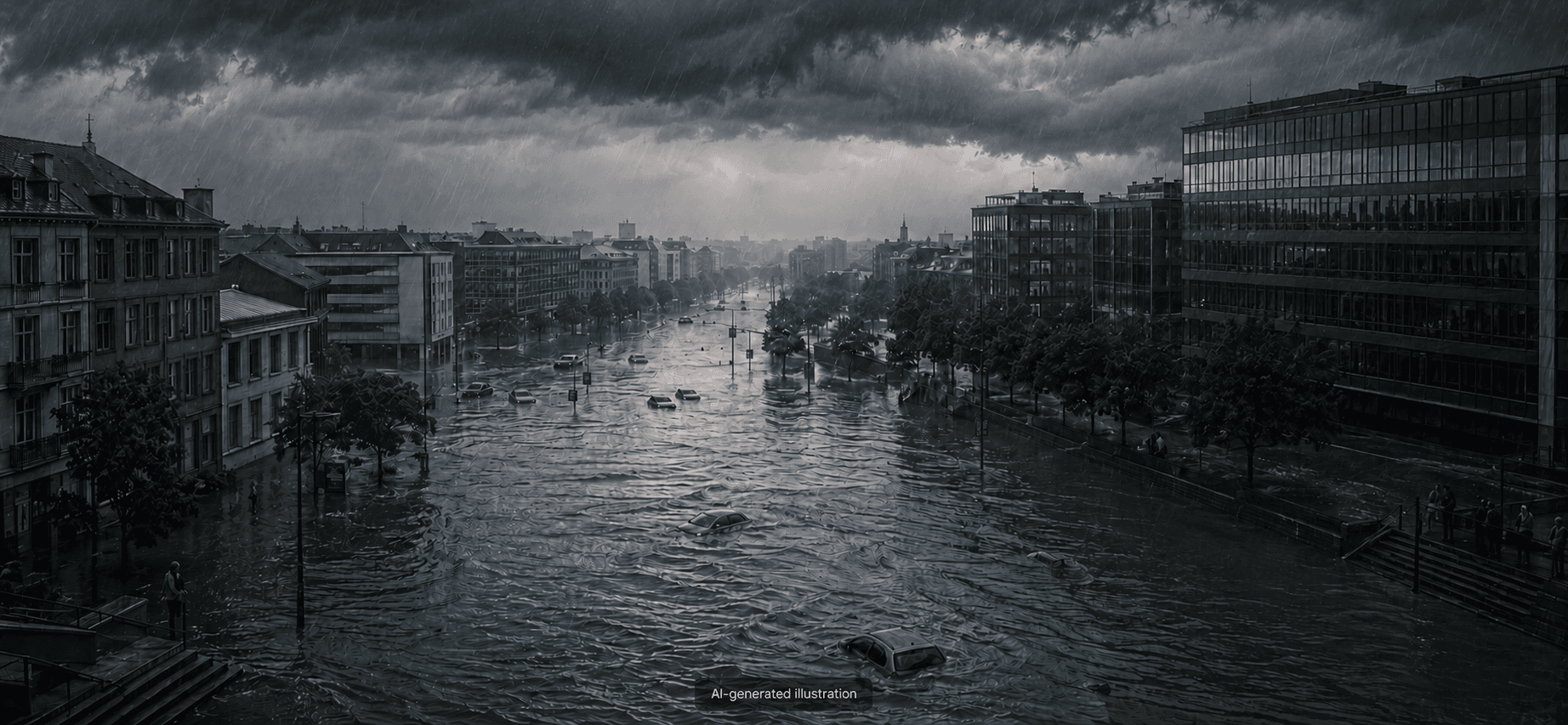
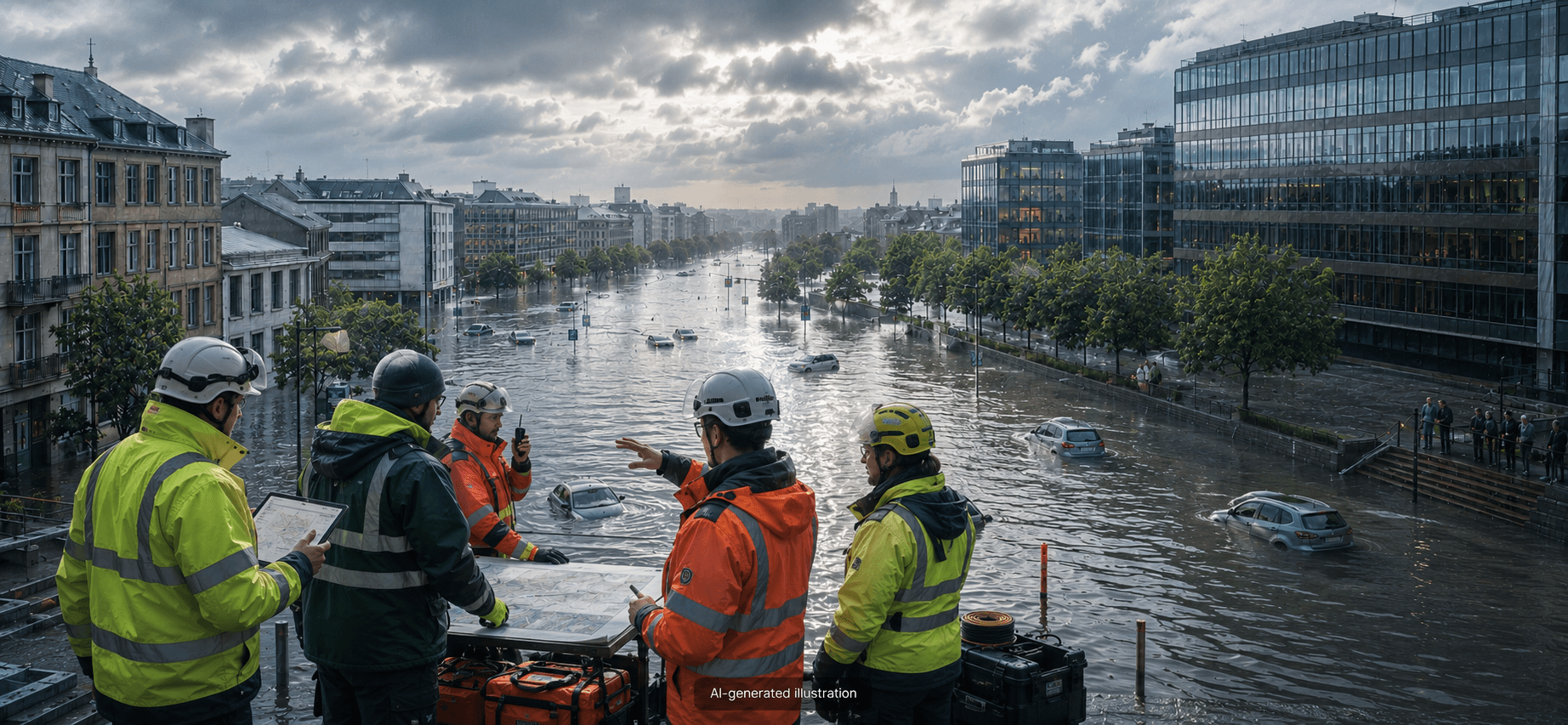
At 6:00 PM, a flash flood hit. The vague forecast hadn't prepared the city. Emergency crews were scattered. Resources were in the wrong places. Response was delayed. The city was paralyzed the next hours.
This scenario illustrates how bad weather forecasts paralyze city services. Vague, not-local, inaccurate, or untimely forecasts prevent cities from preparing effectively. When emergencies hit, services are paralyzed because preparation was inadequate.
The Scale: Bad weather forecasts cost cities an estimated $3-6 billion annually in the United States due to inadequate preparation, delayed response, and service disruptions.
Why Bad Forecasts Paralyze Services
Municipal emergency response depends on accurate, timely weather forecasts to:
- Prepare resources: Pre-position crews, equipment, and supplies
- Activate protocols: Implement emergency procedures and protocols
- Coordinate response: Coordinate between departments and agencies
- Inform public: Issue warnings and advisories to residents
Bad forecasts prevent effective preparation because:
- Vague information: Forecasts that don't specify timing, location, or intensity don't enable effective preparation
- Inaccurate predictions: Forecasts that are wrong lead to preparation in wrong places or at wrong times
- Stale data: Forecasts that are hours old don't reflect current conditions
- False alarms: Forecasts that are too conservative create "cry wolf" effects, reducing response to real threats
Deep Dive: The Preparation Gap
The gap between forecast quality and preparation needs creates service paralysis:
- Insufficient preparation: Vague forecasts lead to inadequate preparation, leaving cities unprepared when emergencies hit
- Wrong location: Inaccurate forecasts lead to preparation in wrong places, leaving actual impact areas unprepared
- Wrong timing: Stale forecasts lead to preparation at wrong times, leaving cities unprepared when emergencies actually occur
- Resource misallocation: Bad forecasts lead to resources allocated incorrectly, leaving critical needs unmet
We are not claiming forecasts in general are bad - often they are good - we do know however, forecasting and nowcasting can significantly improve.
Case Study: A city analyzed 23 weather emergencies over 5 years. They found that 17 emergencies (74%) had inadequate preparation due to bad forecasts. The average response delay: 2.3 hours. The average cost: $1.8 million per event.
Skyfora's Advantage: Actionable Emergency Intelligence
Skyfora provides actionable and dense data that enables cities to prepare effectively for weather emergencies.
Our approach:
- Specific forecasts: We provide hyper local input to forecasts with improved timing, location, and intensity, enabling effective preparation
- Real-time updates: Dense updates ensure forecasts reflect current conditions, not stale data
- Hyperlocal precision: High resolution enables preparation for specific neighborhoods, not just city-wide
- Automated alerts: Our data will enable automated and more accurate alerting when conditions approach emergency thresholds, enabling proactive response. Data driven responses will be the next norm
The Impact: Cities using Skyfora's actionable weather intelligence data can reduce emergency response delays and improve preparation effectiveness.
Practical Applications
- Resource Pre-positioning: Cities can pre-position emergency resources based on specific, timely forecasts, improving response times
- Protocol Activation: Cities can activate emergency protocols based on accurate forecasts, ensuring appropriate response
- Public Communication: Cities can issue specific, timely warnings based on accurate forecasts, improving public safety
- Inter-agency Coordination: Accurate forecasts enable better coordination between departments and agencies, improving response effectiveness
Conclusion
Bad weather forecasts paralyze city services by preventing effective preparation. The solution is actionable emergency intelligence that provides specific, timely, accurate forecasts. By providing hyperlocal and hyper dense humidity scans, Skyfora enables cities to prepare effectively for weather emergencies, reducing response delays and improving service continuity. For cities facing weather emergencies that paralyze services, that actionable capability isn't just valuable—it's essential for resilience.