Utility Asset Weather Risk: Transformers, Poles, and the Forecasts That Arrive Too Late
Transformers and poles fail when forecasts arrive too late. Utility asset weather risk costs billions. Explore the exposure.
The Forecast That Arrived Too Late
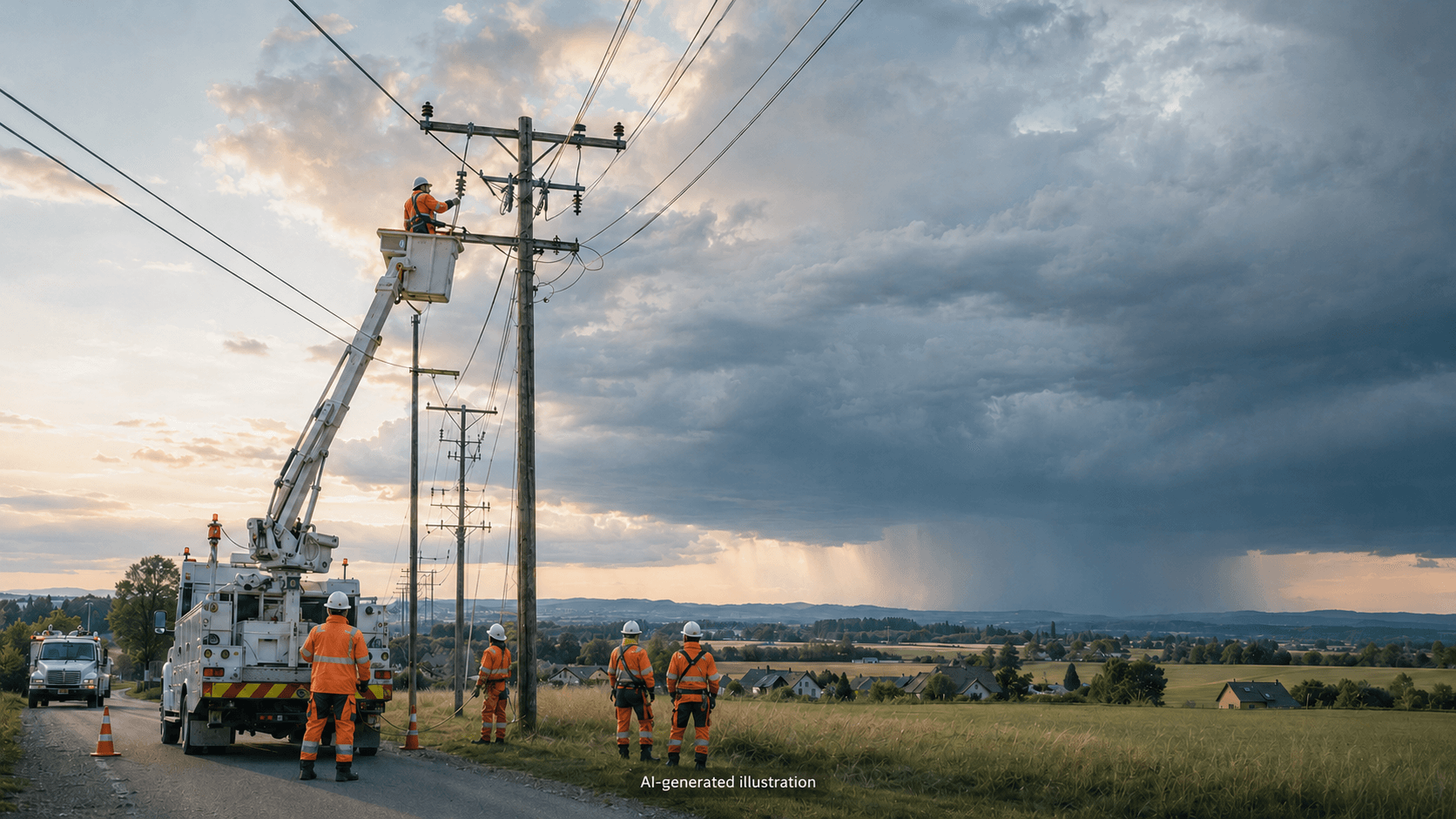
A utility manages 12,000 distribution transformers worth $50,000-$200,000 each. Each transformer has weather protection systems, but they're activated based on regional forecasts that update every 3-6 hours.
On a hot summer afternoon, a regional forecast predicted temperatures would peak at 92°F. Based on this forecast, the utility didn't activate additional cooling for transformers. But actual temperatures reached 98°F at several transformer locations. The transformers overheated, causing 8 failures and cutting power to 15,000 customers for 6 hours. The cost: $1.2 million in equipment damage and lost revenue.
The forecast wasn't wrong — it was too late. By the time the utility received the forecast, conditions had already exceeded thresholds. The protection systems should have been activated hours earlier, but the forecast arrived too late.
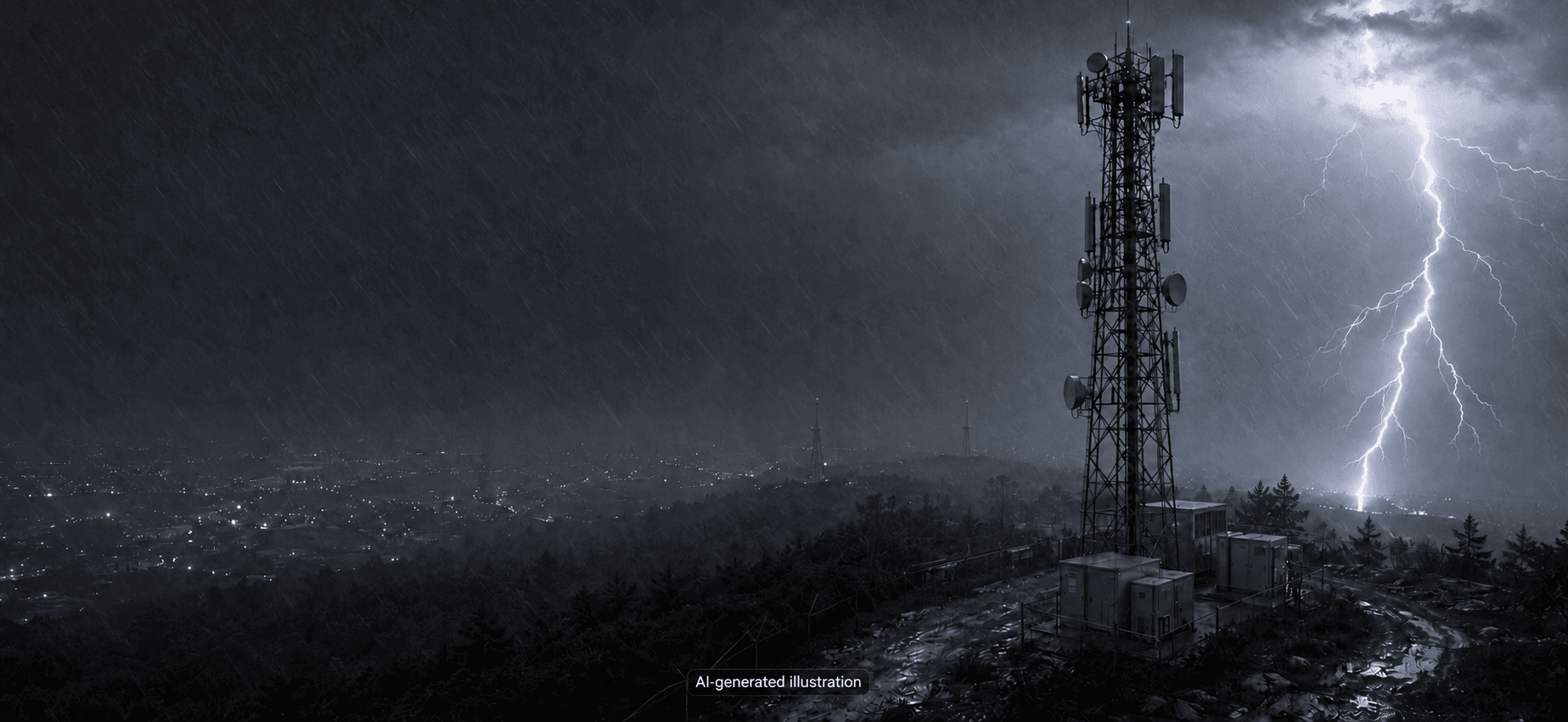
This scenario illustrates a fundamental problem: outdoor utility assets, or telco infrastructure, are exposed to weather 24/7, but protection decisions are made based on forecasts that arrive too late.
The Scale: Weather-related utility asset failures cost an estimated $2-4 billion annually in the United States. Much of this cost is due to forecasts that arrive too late for effective protection.
Why Forecasts Arrive Too Late
Utility asset protection requires forecasts that arrive in time to:
- Activate protection systems: Cooling, heating, or surge protection must be activated before conditions exceed thresholds
- Schedule maintenance: Maintenance must be scheduled during favorable conditions
- Pre-position resources: Crews and equipment must be positioned before weather events
- Optimize operations: Operations must be adjusted before conditions deteriorate
Traditional forecasts fail because:
- 6-hour updates: Forecasts update every 3-12 hours, so they might be 4-6 hours old when decisions are needed
- Regional averages: Forecasts predict regional conditions, not asset-specific conditions
- Coarse resolution: 10-20km resolution misses local extremes that affect specific assets
The Problem: By the time utilities or telcos receive forecasts, conditions may have already exceeded thresholds. Protection systems can't be activated retroactively.
Deep Dive: The Timing Gap
The gap between forecast timing and protection needs creates asset risk:
- Insufficient lead time: Forecasts arrive too late to activate protection systems before conditions exceed thresholds
- Wrong timing: Forecasts predict conditions at wrong times, causing protection to be activated too early or too late
- Stale data: Forecasts are hours old when decisions are needed, not reflecting current conditions or next hours
Case Study: A utility analyzed 34 weather-related asset failures. They found that 26 failures (76%) occurred when forecasts arrived too late to activate protection systems. The average delay: 2.8 hours. The average cost: $180,000 per failure.
Skyfora's Advantage: Real-Time Asset Intelligence
Skyfora provides real-time weather intelligence for individual utility assets, enabling protection decisions based on current conditions, not stale forecasts.
Our approach:
- 15-Minute Updates: Dense data points are fueling dense forecast cycles - every 15 minutes, ensuring utilities always have current information
- Asset-Specific Forecasts: Observation densification enables forecasts for individual transformers, poles, and substations
- Real-Time Alerts: Enabling alerts when conditions approach or exceed protection thresholds
- Proactive Protection: Forecasts arrive in time to activate protection systems before conditions exceed thresholds
The Impact: Utilities or telcos using Skyfora's real-time weather intelligence may reduce weather-related asset failures significantly and improve protection system activation accuracy.
Practical Applications
- Transformer Protection: Real-time, asset-specific observations and forecasts enable utilities to activate cooling, heating, or surge protection exactly when needed
- Pole Maintenance: Utilities can schedule maintenance based on real-time forecasts, reducing exposure during unfavorable conditions
- Substation Management: Real-time, substation-specific forecasts enable utilities to manage substations proactively, preventing failures
- Emergency Response: Real-time guidance and rapid forecast updates enable utilities to pre-position crews and equipment at assets most likely to be affected
Conclusion
Critical infrastructures are exposed to weather 24/7, but protection decisions are often made based on forecasts that arrive too late. The solution is real-time in-asset intelligence that provides current, asset-specific forecasts. By providing e.g. 15-minute forecast updates with 1km resolution, Skyfora enables your weather forecast provider to protect assets based on current conditions, not stale forecasts. For utilities managing billions in assets, that real-time capability isn't just valuable — it's essential for asset protection.