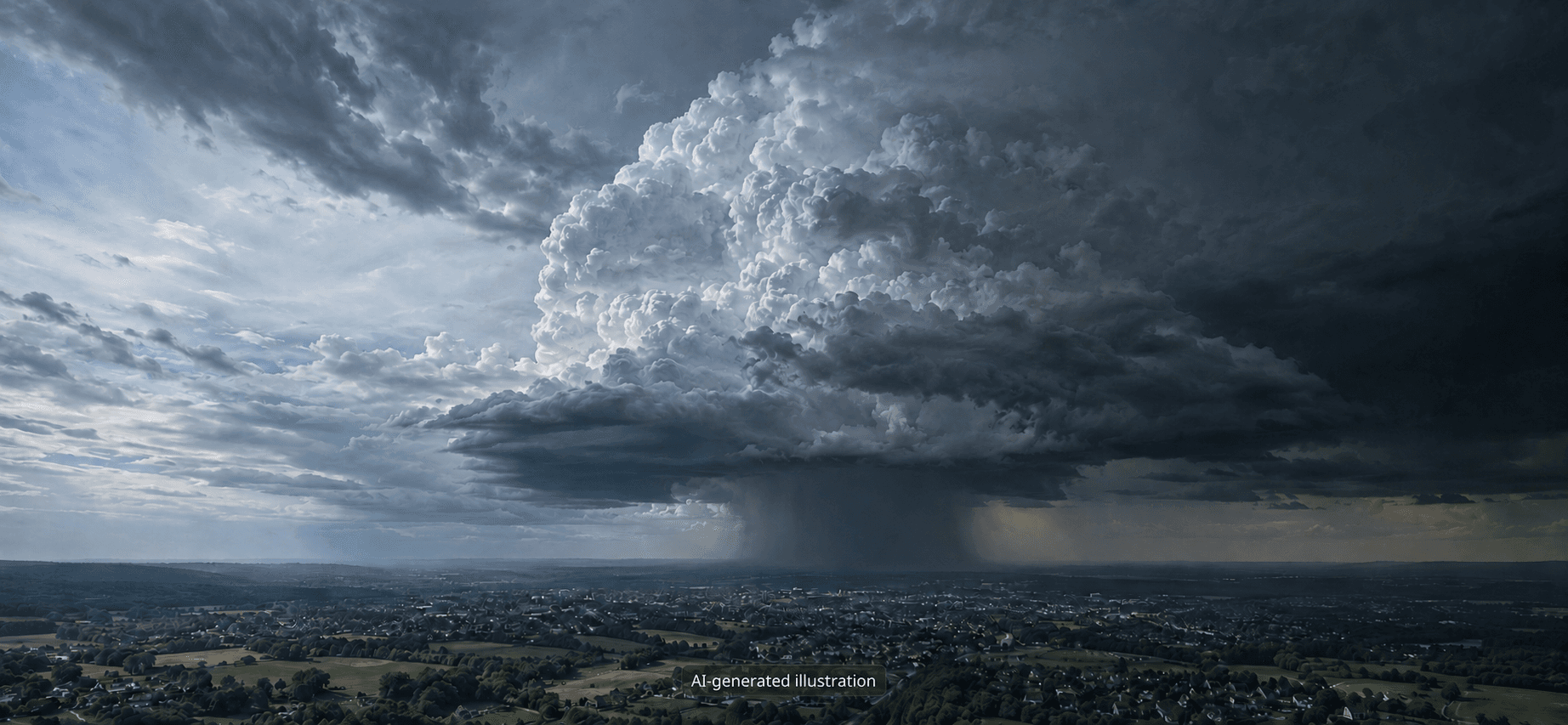
Radiosonde vs GNSS: The Future of Upper Air Observations
We still launch weather balloons twice a day. It's expensive and sporadic. Compare this to the continuous, digital stream of GNSS atmospheric profiling.
The Balloon Age
Since the 1930s, the gold standard for measuring the atmosphere has been the Radiosonde.
Twice a day (at 00:00 and 12:00 UTC), meteorologists at about 800 locations worldwide release a latex balloon carrying a small sensor package. As it rises to the stratosphere, it radios back temperature, humidity, and pressure data. Then, the balloon pops, and the sensor falls into the ocean or a forest, never to be used again.
It is a marvel of 20th-century science. But in the 21st century, it is archaic.
Imagine trying to monitor traffic by sending a single drone up to take a photo once every 12 hours. That is the current state of global upper-air observation. We are missing everything that happens in between.
The Limitations of Latex
- Cost: Each launch costs roughly $500 (gas, balloon, sensor, labor). That’s $1,000 per day, per station. Scaling this to cover every city is economically impossible.
- Spatial Gaps: Stations are 300-500km apart. A severe storm can easily fit entirely between two stations and remain completely unmeasured.
- Temporal Gaps: Weather changes in minutes, not 12-hour cycles. By the time the afternoon balloon goes up, the morning’s data is useless.
- Single Use: It creates electronic waste.
Deep Dive: The GNSS Alternative
Skyfora’s GNSS tomography offers a digital alternative to this analog process.
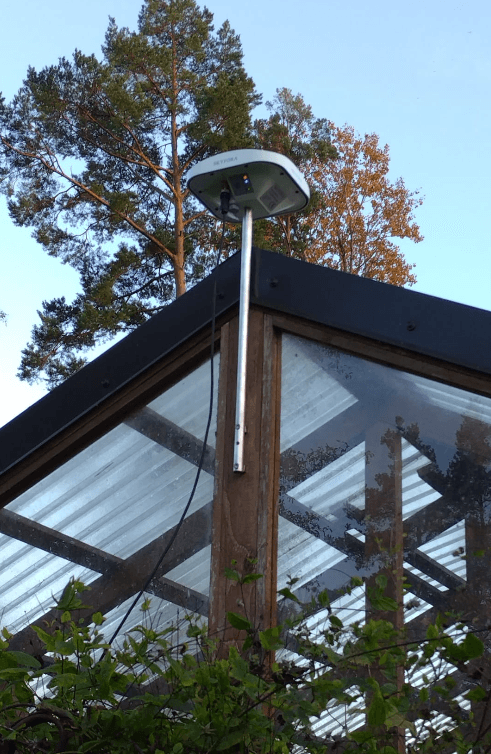
Instead of a physical sensor rising through the air, we send radio signals falling through the air (from satellites).
- Continuity: We get a profile every 15 minutes, not every 12 hours. That is 96 times more temporal resolution.
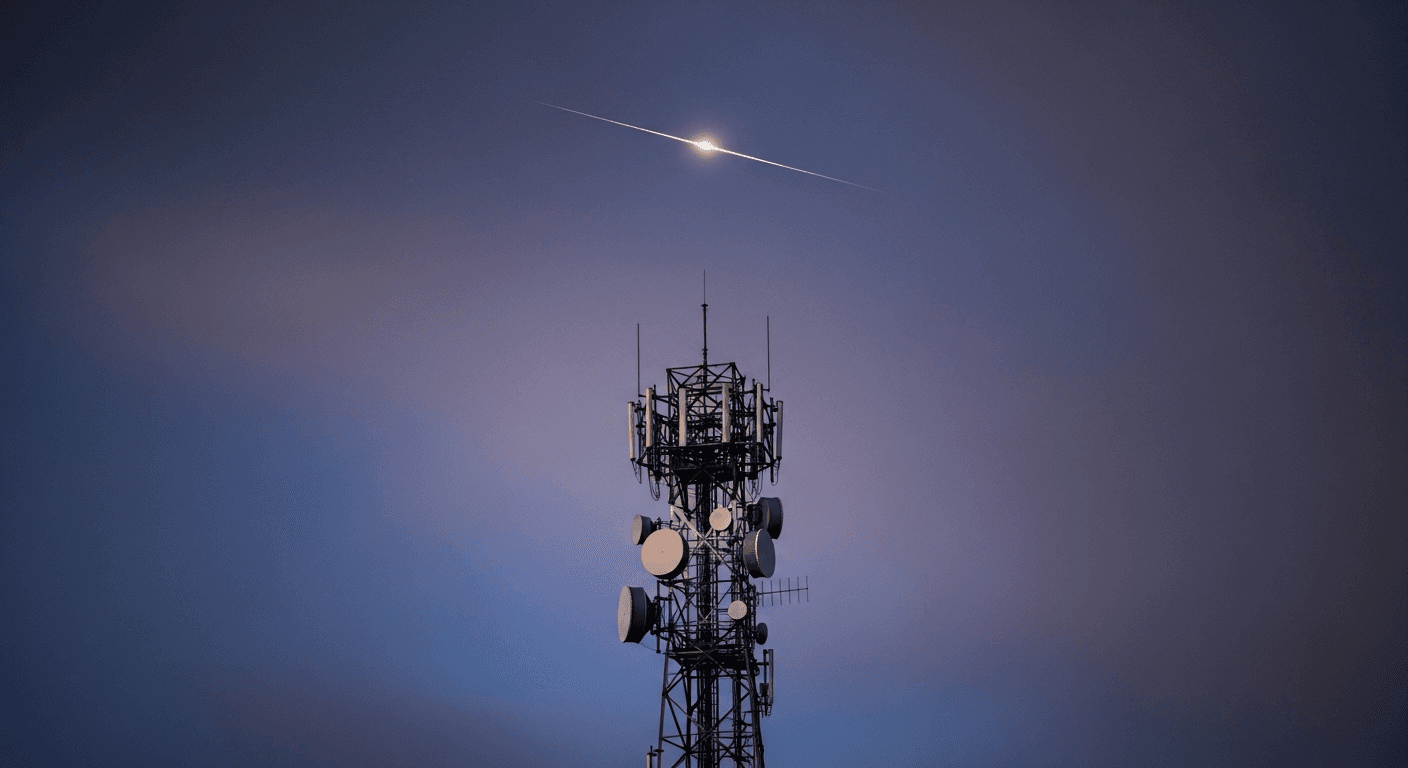
- Density: We can have a "virtual station" every 10km, utilizing existing telecom towers.
- Cost: Since we use existing signals, the marginal cost of a new profile is near zero.
However, we must be fair: Radiosondes are still the "truth" standard. They measure in situ (touching the air). GNSS measures remotely. Therefore, the future isn't about destroying all balloons; it's about using balloons to calibrate the GNSS network.
Skyfora's Advantage: The Hybrid Network
We see a future where balloons are launched sparingly, perhaps once a week or only during severe weather, to validate the models. The heavy lifting of daily, minute-by-minute monitoring is taken over by the GNSS mesh.
This hybrid approach gives us the best of both worlds: the absolute precision of the probe and the massive scale of the network.
Practical Applications
- Developing Nations: Many countries in Africa and South America cannot afford daily balloon launches, leaving massive blind spots in global models. GNSS receivers are cheap and solar-powered. They can leapfrog the balloon era entirely.
- Climate Monitoring: Long-term climate records need consistent data. GNSS provides a stable, drift-free measurement of global water vapor trends without the waste of consumables.
Conclusion
The weather balloon had a great run. It helped us win wars and predict hurricanes for nearly a century. But we cannot solve climate change with disposable electronics. The future of meteorology is digital, continuous, and grounded in the signal infrastructure that surrounds us.