The Anatomy of a Weather Sensor Network
What does a modern weather network look like? It's solid-state, dense, and self-healing. Explore the engineering behind Skyfora's 10km mesh.
Beyond the White Box
When we talk about "weather networks," most people imagine a map with dots. But a modern sensor network is more like a living organism than a collection of dots. It has a nervous system (backhaul), a brain (processing core), and senses (receivers).
Designing a network for the 21st century requires solving three problems: Density, Latency, and Maintenance.
The 10km Rule
How close do sensors need to be?
In standard meteorology, the World Meteorological Organization (WMO) recommends spacing of 100km for global models. This is fine for predicting a cold front moving across a continent.
But for urban meteorology, where flash floods and heat islands live, the spacing needs to be much tighter. Skyfora advocates for the 10km Rule.
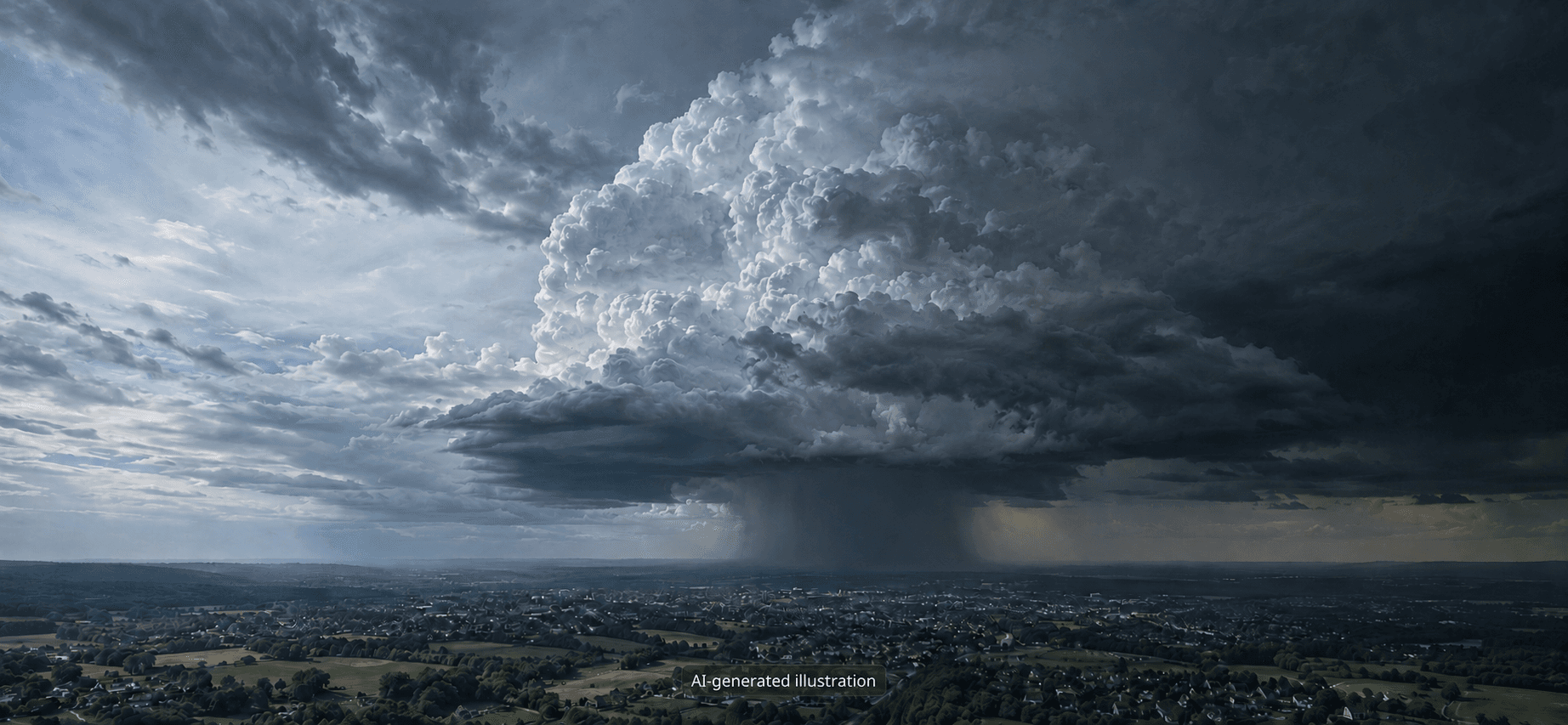
In urban areas, weather features (like storm cells) have a characteristic length scale of 5-10km. If your sensors are spaced 20km apart, a storm can literally slip through the cracks. At 10km spacing (and ideally down to 1-3km in city centers), you achieve Nyquist Sampling for the atmosphere, you capture every relevant feature without aliasing.
Deep Dive: The Tech Stack
A Skyfora network node isn't just a passive listener. It consists of:
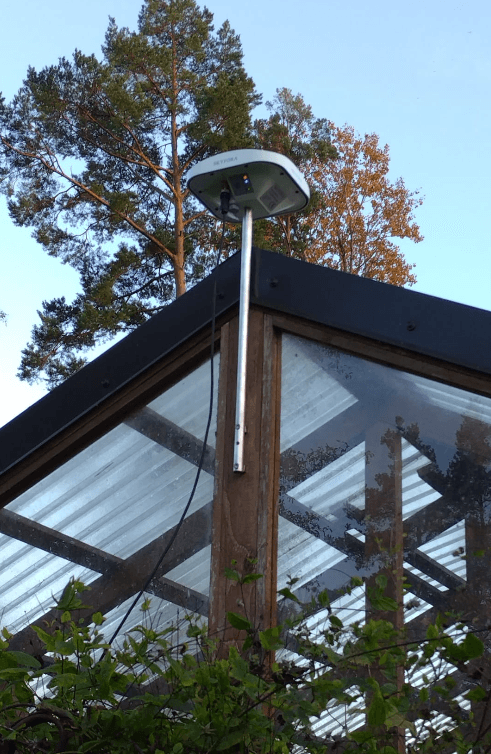
- Multi-Frequency GNSS Antenna: Capable of tracking GPS (US), Galileo (EU), GLONASS (RU), and BeiDou (CN). More satellites = more scanning paths.
- Edge Processor: A small compute unit that filters the raw signal data. Sending raw RF data is bandwidth-heavy; we process the "observables" locally.
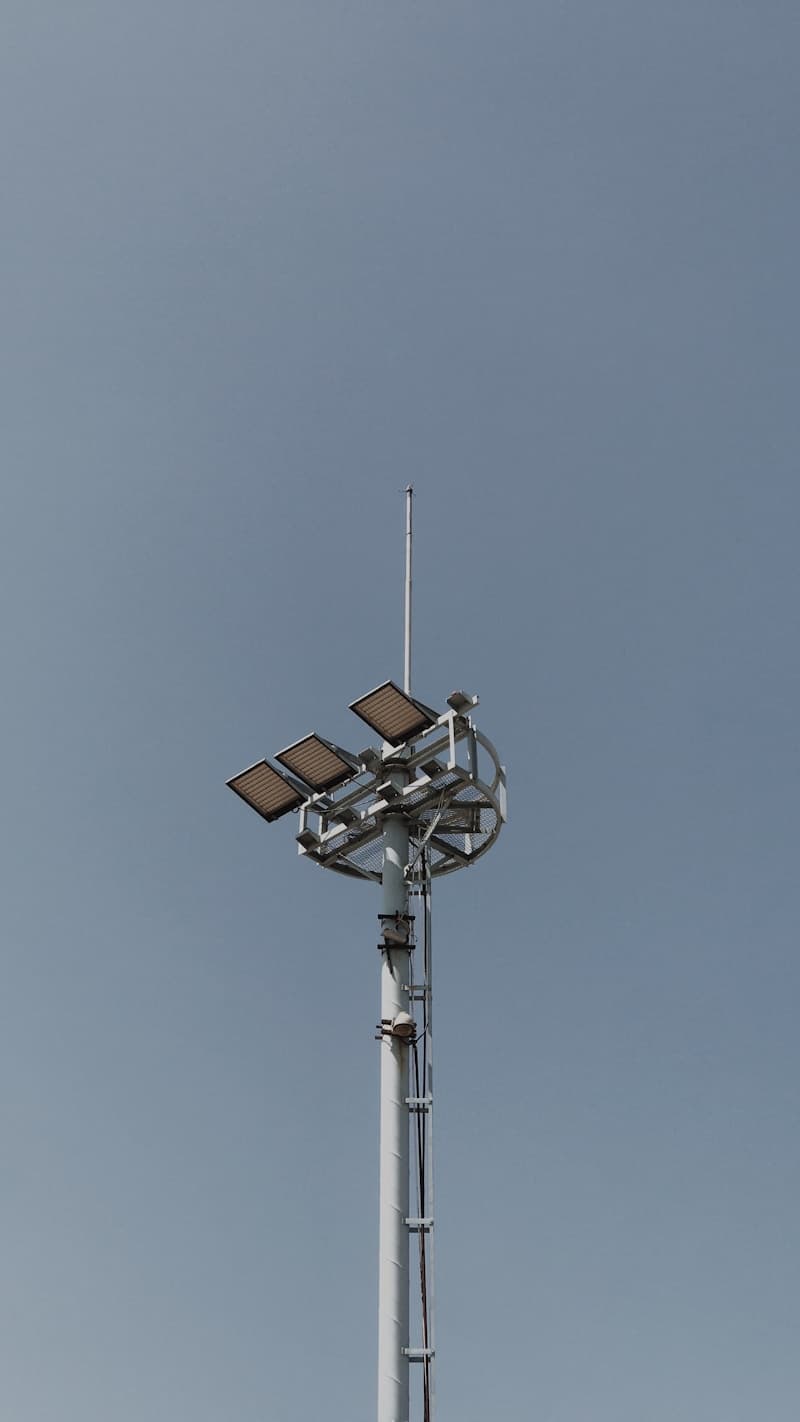
- Comms Module: Utilizing the host tower's 5G or fiber connection for near-instant transmission.
The Maintenance Paradox: The biggest cost of a weather network isn't buying the sensors; it is fixing them. Traditional stations have moving parts (anemometers spin, rain gauges tip). Moving parts break.
GNSS sensors are solid state. They have no moving parts. They don't get clogged by leaves or frozen by ice. This allows us to deploy thousands of units with near-zero maintenance costs.
Skyfora's Advantage: Virtual Redundancy
In a traditional network, if a station dies, you have a data hole.
In Skyfora’s tomography mesh, if one receiver goes offline, the "cones" of detection from the surrounding 5 receivers still cover the airspace above it. The network heals itself. The resolution might drop slightly, but the data flow never stops.
Practical Applications
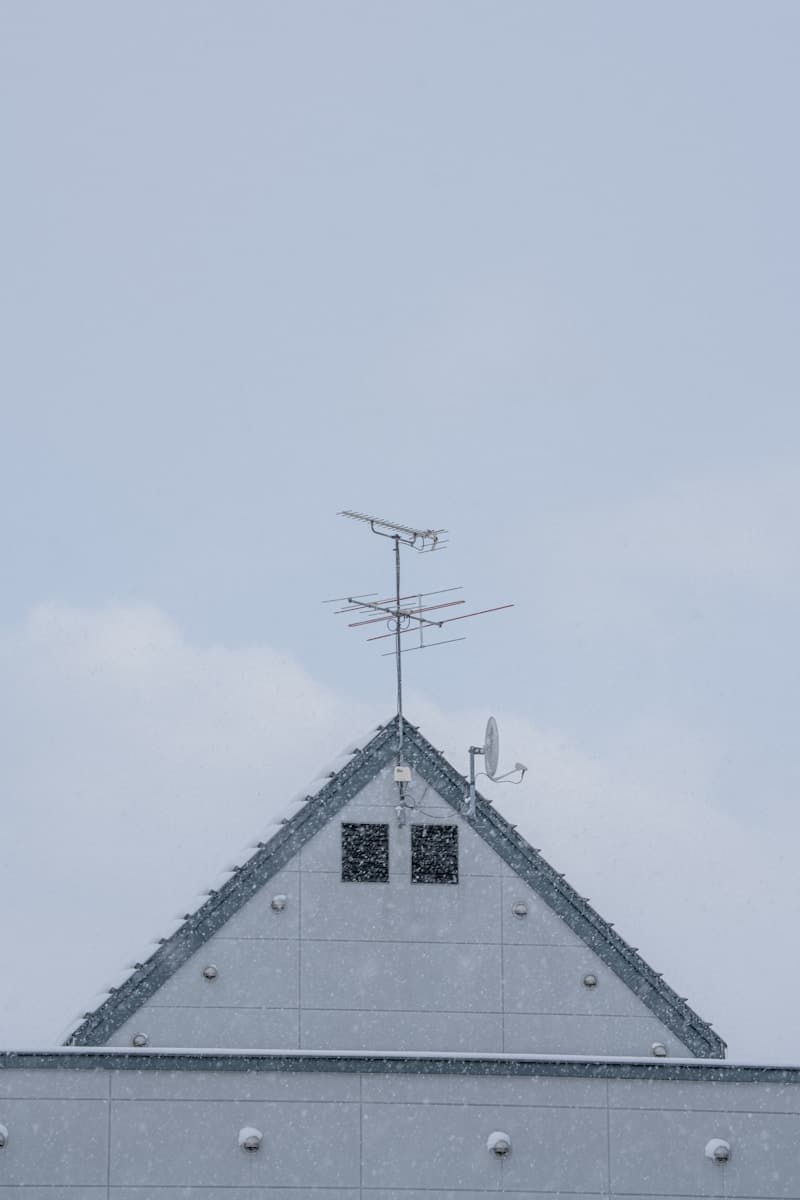
- Developing Nations: Countries with limited infrastructure can leapfrog traditional networks. Instead of maintaining complex mechanical stations in remote jungles, they can install solid-state GNSS units on existing telecom towers.
- Smart Corridors: Highways can be instrumented every 5km to provide autonomous trucks with precise friction and visibility data.
Conclusion
A sensor network is only as good as its weakest link. By removing the moving parts and leveraging the density of the telecom grid, we are building a network that is not only smarter but tougher. It is infrastructure built for the reality of climate change.