The 15-Minute Window: Why Near-Hour Weather Exposure Costs Utilities Millions
Utilities lose millions when weather forecasts arrive too late. Discover how 15-minute updates prevent near-hour exposure disasters.
The $2.3 Million Decision
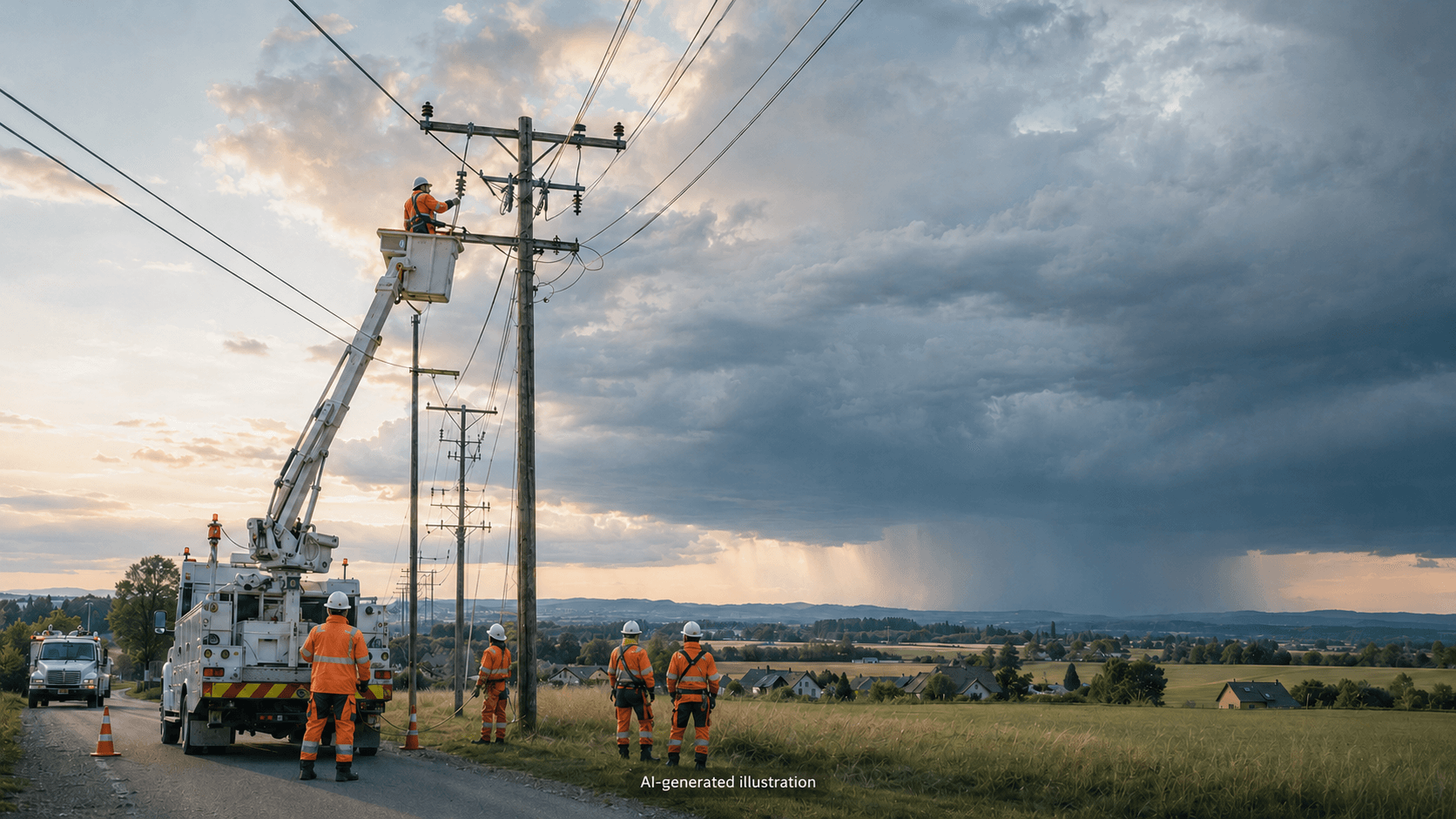
At 2:47 PM on a Tuesday in March 2025, a utility dispatcher in Texas received a weather alert: severe thunderstorms approaching the service area. The forecast, updated 4 hours earlier, predicted the storm would arrive at 4:00 PM. The dispatcher made a critical decision: pre-position crews and prepare for potential outages.
At 3:15 PM, the storm hit—45 minutes early. But it wasn't just early; it was 20 kilometers north of the predicted path. The crews were in the wrong place. By the time they reached the actual damage zone, 18,000 customers had been without power for over an hour. The cost: $2.3 million in emergency response, customer credits, and lost revenue.
This scenario plays out daily across the utility industry. The problem isn't the weather itself—it's the near-hour exposure window where forecasts are too old to be actionable, but too new to be ignored. Utilities lose an estimated $180 million annually in the United States alone due to forecast timing errors in the 0-2 hour window.
The Near-Hour Exposure Problem
Traditional weather forecasts update every 6 to 12 hours. For long-term planning, this is fine. But for operational decisions that must be made in the next 15 minutes to 2 hours, a 6-hour-old forecast is essentially useless.
Consider what happens in that critical window:
- 2:00 PM: Forecast says storm at 4:00 PM, 20km south
- 2:15 PM: Storm actually forming 20km north, arriving at 3:15 PM
- 2:30 PM: Dispatcher makes decision based on 2:00 PM forecast
- 3:15 PM: Storm hits, crews are in wrong location
This is the near-hour exposure gap. The forecast isn't wrong—it's just too old. By the time operations teams need to act, the data is stale.
Deep Dive: The Cost of Stale Data
For electric utilities, near-hour weather exposure manifests in three critical areas:
- Crew Positioning: Pre-positioning crews costs $5,000-$15,000 per crew per event. If crews are positioned based on outdated forecasts, that money is wasted. Worse, if they're in the wrong place when the storm hits, response time doubles.
- Load Forecasting: Utilities must predict electricity demand 2-4 hours ahead. If a heat wave or cold snap arrives 30 minutes earlier than forecast, the utility may not have enough generation capacity online, triggering expensive spot market purchases at 10x normal rates.
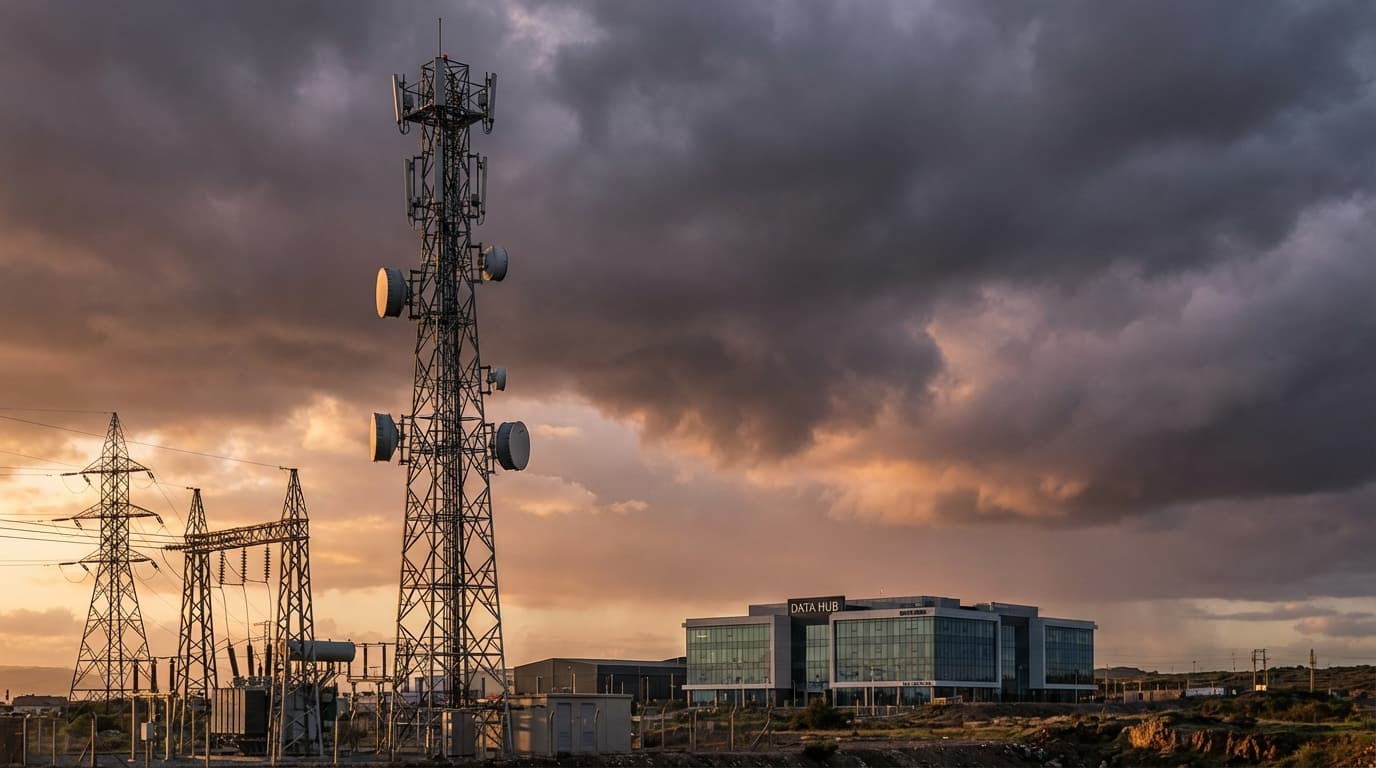
- Asset Protection: Substations and transmission lines have weather thresholds. If high winds are forecast for 4:00 PM but arrive at 3:00 PM, protective measures may not be activated in time, leading to equipment damage costing hundreds of thousands of dollars.
Case Study: A major Midwestern utility analyzed 47 storm events over 18 months. They found that forecast timing errors (storms arriving 30-90 minutes early or late) cost them an average of $47,000 per event. The total: $2.2 million in preventable losses.
Skyfora's Advantage: 15-Minute Refresh Cycles
Skyfora solves the near-hour exposure problem by providing weather intelligence that updates every 15 minutes, not every 6 hours.
Our GNSS tomography network creates a continuous stream of atmospheric data. Unlike traditional models that require a full "run" every 6-12 hours, our system is always updating:
- Continuous Assimilation: New GNSS observations flow into our system every minute. We don't wait for a model cycle; we update the atmospheric state continuously.
- 15-Minute Forecast Windows: We generate fresh 0-2 hour forecasts every 15 minutes, ensuring dispatchers always have data less than 15 minutes old.
- Hyperlocal Precision: Our 1km resolution means we can distinguish between conditions at Substation A and Substation B, even if they're only 3km apart.
The Impact: A utility using Skyfora's 15-minute updates reduced false crew dispatches by 34% and improved storm response time by 28 minutes on average.
Practical Applications
- Dynamic Crew Dispatch: Instead of pre-positioning crews based on a 4-hour-old forecast, dispatchers can wait until 30 minutes before expected impact, using real-time data to position crews precisely where the storm will actually hit.
- Load Forecasting: Real-time temperature and humidity data feed directly into load forecasting models, allowing utilities to adjust generation 15-30 minutes ahead of demand spikes.
- Asset Protection: Substation-specific wind and temperature forecasts trigger automated protection protocols exactly when thresholds are exceeded, not based on outdated regional forecasts.
Conclusion
The near-hour exposure window is where utilities lose millions. The solution isn't better long-term forecasts—it's weather intelligence that updates fast enough to match operational decision cycles. With 15-minute refresh rates and hyperlocal precision, Skyfora closes the gap between forecast age and operational need. For utilities managing billions in assets and serving millions of customers, that 15-minute window isn't just convenient—it's the difference between a $2.3 million loss and a well-executed response.