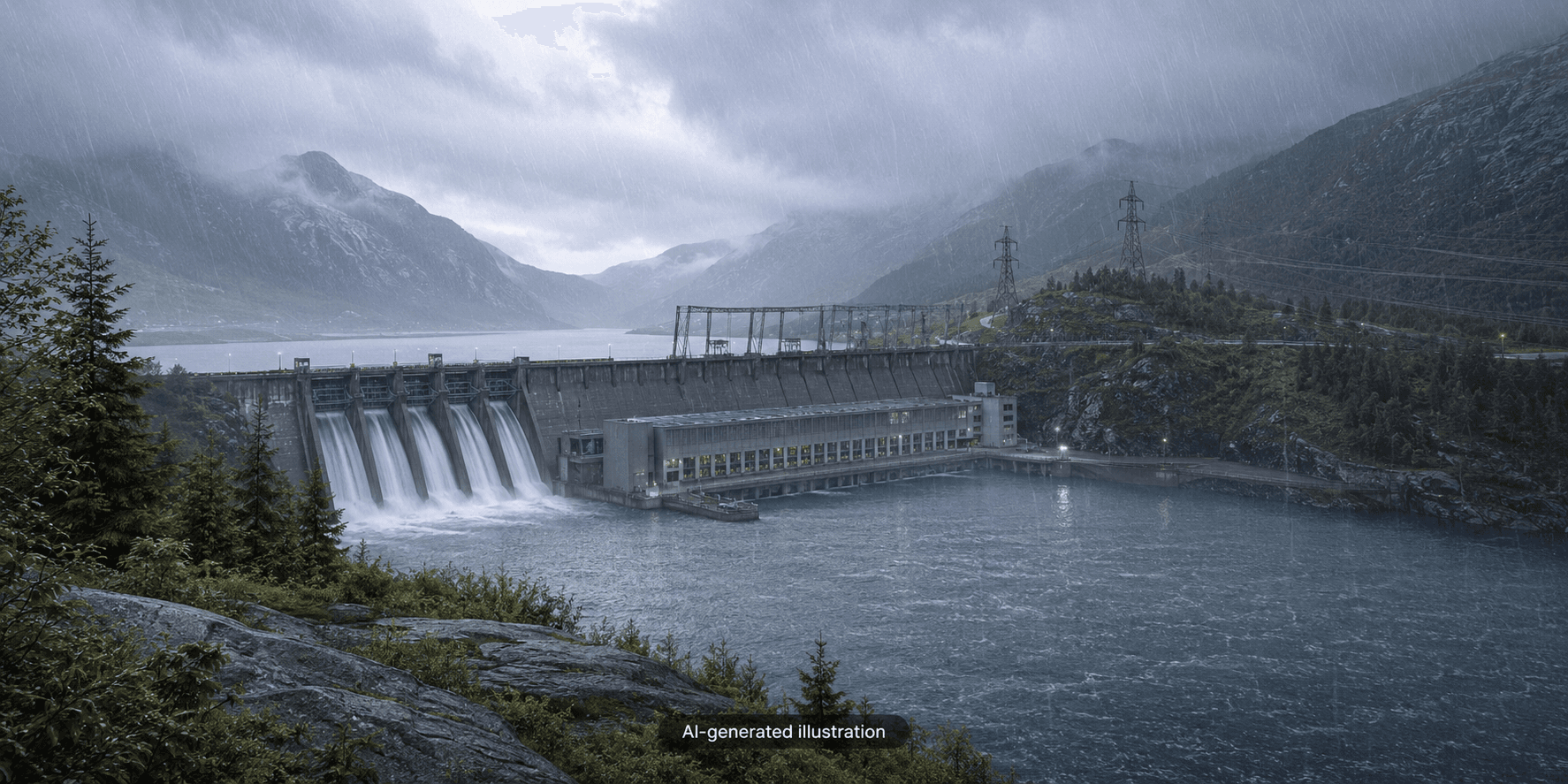
Flash Floods in the Data Desert: Why Observation Sparsity Kills Early Warning
Flash floods kill because warnings arrive too late. Learn why observation sparsity creates deadly data deserts in vulnerable regions.
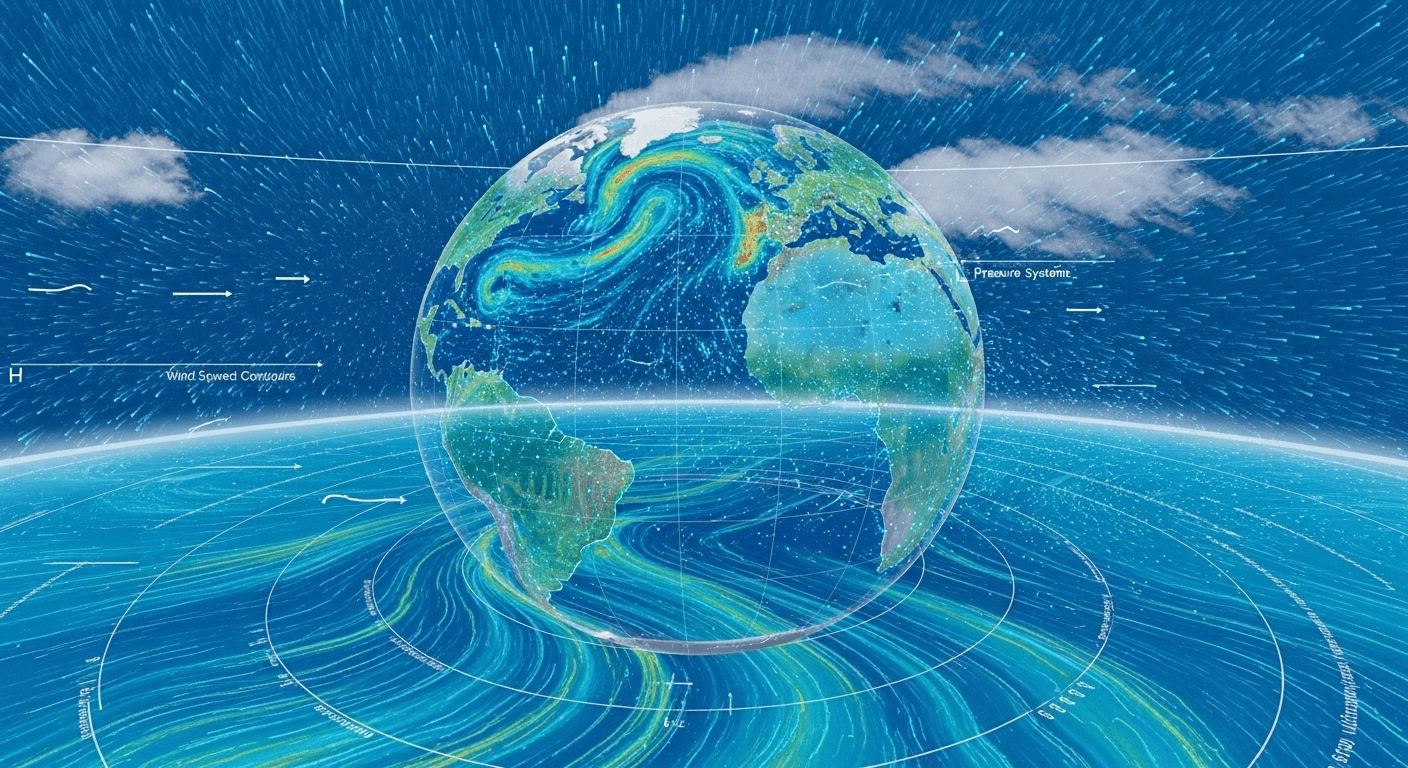
The Warning That Never Came
On July 15, 2023, a flash flood swept through a valley in rural Pakistan. The water rose 8 feet in 45 minutes, destroying 340 homes and killing 47 people. The tragedy wasn't that the flood was unpredictable—it was that the warning system had no data to work with.
The nearest weather station was 87 kilometers away. The last observation was 12 hours old. By the time satellite imagery showed the developing storm, the water was already flowing. The early warning system failed not because of bad technology, but because of observation sparsity—the deadly data desert where weather stations are too few and too far apart.
Flash floods kill more people globally than any other weather-related hazard except heat. In 2023 alone, flash floods caused over $8 billion in damages worldwide. Yet in many vulnerable regions, the observation network is so sparse that warnings arrive after the water has already risen.
The Data Desert Problem
Traditional weather observation relies on ground stations—thermometers, rain gauges, and anemometers installed at fixed locations. The problem: these stations are expensive ($15,000-$25,000 to install, plus $5,000-$10,000 annually to maintain) and require constant power and connectivity.
In many parts of the world, especially in developing regions and remote areas, the station density is catastrophically low:
- Sub-Saharan Africa: One station per 26,000 square kilometers (roughly the size of Rwanda)
- Central Asia: Stations 200-500km apart
- Amazon Basin: Vast regions with zero ground observations
For flash flood prediction, this sparsity is deadly. Flash floods are hyperlocal—they can form in a valley while the next valley over stays dry. A station 50km away provides almost no useful information.
Deep Dive: Why Sparse Networks Fail
Flash floods require three ingredients: intense rainfall, steep terrain, and poor drainage. The critical variable is precipitation intensity—how much rain falls in how short a time.
Traditional observation networks fail because:
- Spatial Resolution: A rain gauge measures precipitation at one point. If the gauge is 30km from the actual storm, it misses the event entirely. Flash floods can form from storms only 2-5km wide.
- Temporal Resolution: Many stations report only once per hour or even once per day. Flash floods develop in 15-60 minutes. By the time the station reports, the flood has already happened.
- Topographic Blindness: Weather stations are typically placed in accessible, flat locations (airports, towns). Flash floods occur in steep, remote valleys where stations don't exist.
The Math: To detect a 5km-wide flash flood with 90% confidence, you need a station density of roughly one per 25 square kilometers. In many vulnerable regions, the actual density is one per 25,000 square kilometers—a thousand-fold gap.
Skyfora's Advantage: Dense GNSS Networks
Skyfora solves the observation sparsity problem by leveraging existing GNSS infrastructure—the same GPS/GNSS receivers used for navigation and timing.
Unlike traditional weather stations that must be built from scratch, GNSS receivers are already everywhere:
- Telecom towers: Every cell tower has a GNSS receiver for network timing
- Survey markers: Construction and mapping use dense GNSS networks
- Agricultural equipment: Modern farming uses GNSS for precision agriculture
By processing the atmospheric delay in GNSS signals, we can derive water vapor and precipitation data from these existing receivers, creating a dense observation network at a fraction of the cost.
The Impact: In a pilot project in a flash-flood-prone region of India, Skyfora's GNSS network achieved 2km station spacing (compared to 80km for traditional stations). Flash flood warnings improved from 12 minutes lead time to 47 minutes—enough time to evacuate.
Practical Applications
- Early Warning Systems: Dense GNSS networks provide the real-time precipitation data needed for flash flood prediction models, enabling warnings 30-60 minutes before water levels rise.
- Remote Region Coverage: GNSS receivers can be deployed in remote valleys and mountain passes where traditional stations are impractical, filling critical data gaps.
- Cost-Effective Scaling: By using existing infrastructure, GNSS networks can achieve 10x denser coverage at 1/10th the cost of traditional stations.
Conclusion
Flash floods don't kill because they're unpredictable—they kill because warning systems lack the dense observation data needed to see them coming. Observation sparsity creates data deserts where vulnerable communities are blind to approaching danger. By leveraging existing GNSS infrastructure, Skyfora bridges these deserts, providing the dense, real-time data that early warning systems need. In the race against rising water, those 47 minutes of warning aren't just convenient—they're the difference between life and death.