GNSS Receivers: The Unsung Heroes of Modern Weather Prediction
Your GPS signal gets delayed by water vapor. Skyfora turns this 'error' into the world's most accurate 3D humidity sensor. Here is the science behind GNSS meteorology.
The Sensor in Your Pocket
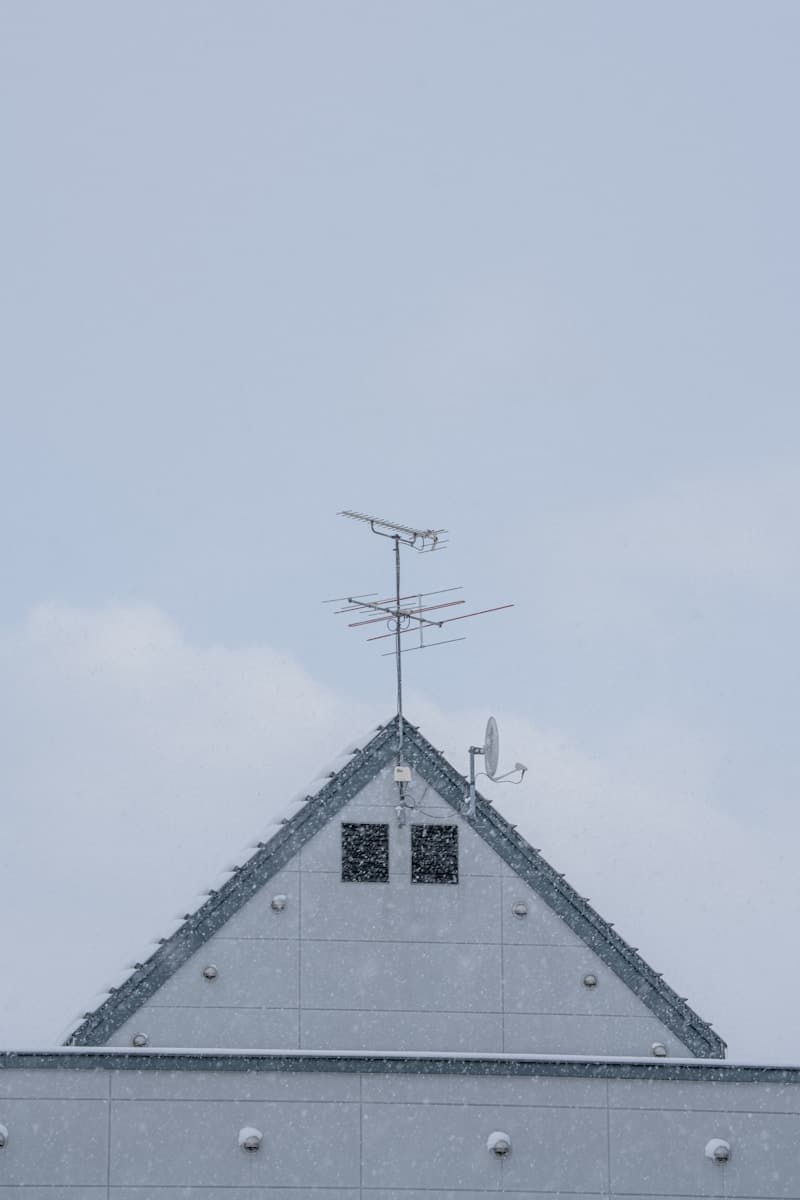
If you asked 100 people to draw a weather station, 99 of them would draw a white box with a thermometer and a spinning anemometer. Almost no one would draw a GPS receiver.
Yet, the Global Navigation Satellite System (GNSS), the same technology that helps your Uber find you and guides airplanes, is quietly becoming the most powerful tool in atmospheric science. While the world focuses on AI and supercomputers, a hardware revolution has taken place in the physical layer of weather sensing. We have turned the world’s navigation infrastructure into a massive, planetary-scale hygrometer (humidity sensor).
How It Works: Turning Noise into Signal
To understand how this works, you have to understand how GPS/GNSS works.
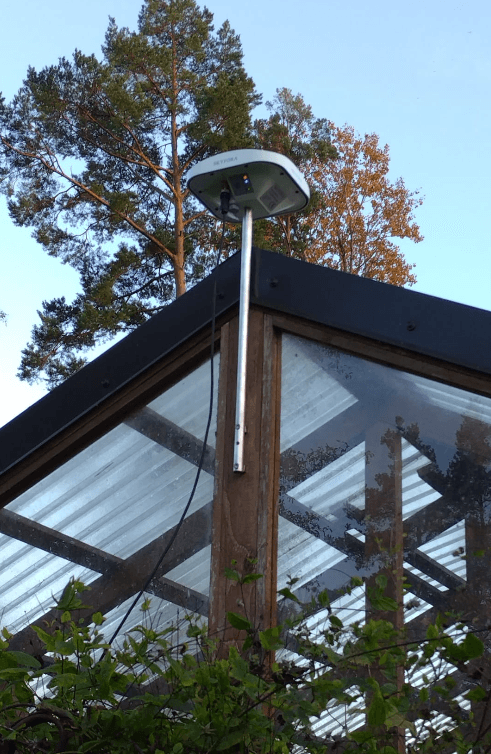
A satellite in orbit sends a radio signal to a receiver on the ground. The receiver calculates its position by measuring exactly how long that signal took to travel. But here is the catch: the speed of light is constant in a vacuum, but it is not constant in our atmosphere.
As the radio signal passes through the troposphere (the lowest layer of the atmosphere), it gets slowed down. This slowing is caused by two things:
- Dry gases (Nitrogen, Oxygen)
- Water vapor
For navigation engineers, this delay is a nuisance, an error source that makes your GPS less accurate. But for meteorologists, this "noise" is pure gold.
By knowing the precise position of the satellite and the receiver, we can calculate exactly how much the signal was delayed. If we subtract the delay caused by dry gases (which is relatively stable), the remainder represents the Wet Delay. This value is directly proportional to the amount of water vapor along the signal path.
Deep Dive: Tomography vs. Topography
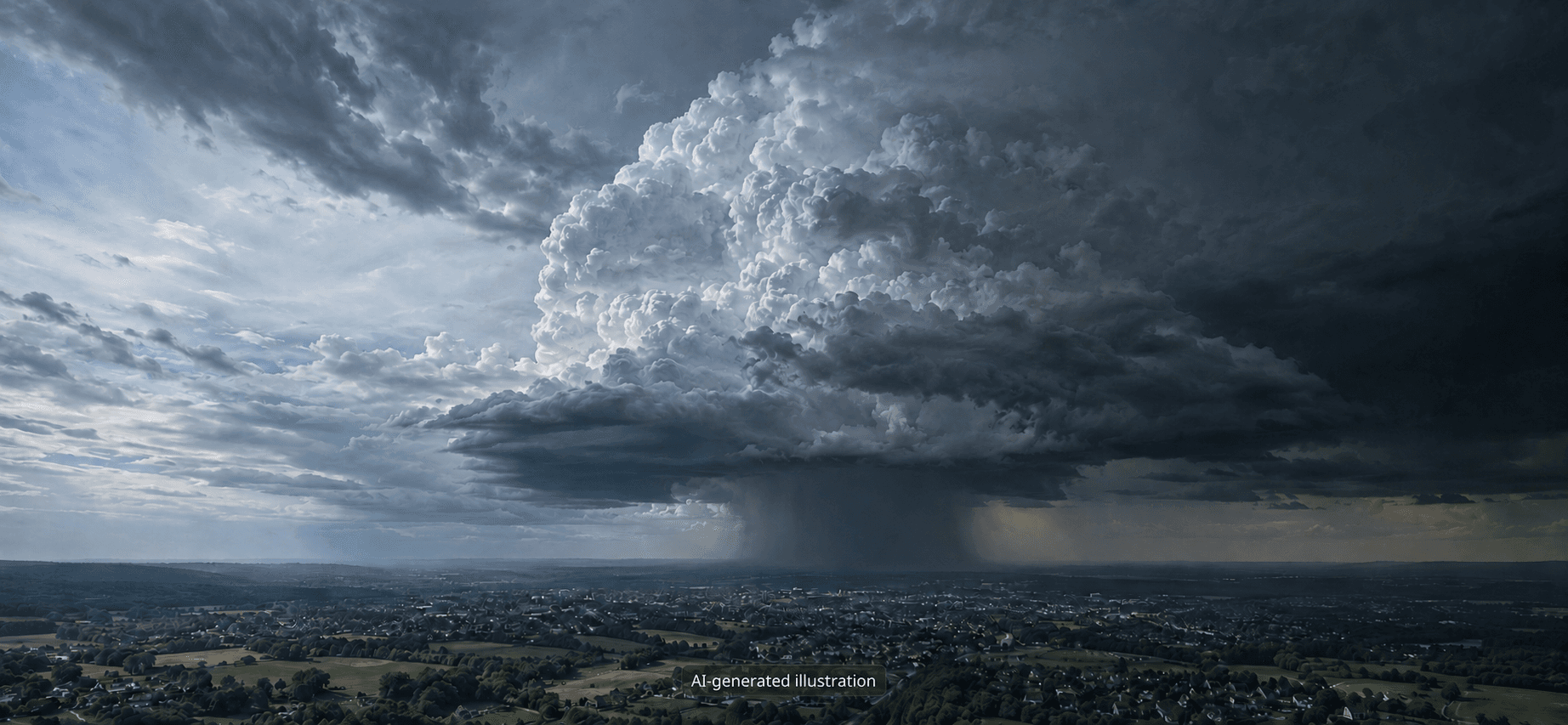
Traditional weather stations are 2D. They tell you the humidity at ground level (2 meters high). But weather happens in 3D. A dry ground level doesn't mean there isn't a massive storm brewing at 5,000 feet.
Skyfora uses a technique called GNSS Tomography. Imagine a CAT scan for the atmosphere.
A single ground receiver creates a "cone" of detection as it listens to multiple satellites moving across the sky. When you have a dense network of receivers (like Skyfora’s), these cones overlap. By analyzing the signal delays from thousands of crossing paths, our algorithms reconstruct a 3D voxel grid of the atmosphere.
We aren't just measuring humidity; we are building a 3D hologram of the atmosphere's water content, updating every few minutes.
Skyfora's Advantage: The Density Game
The physics of GNSS meteorology have been known for decades. The problem was scale. Building a network of scientific-grade GNSS receivers is expensive.
Skyfora’s innovation lies in leveraging existing infrastructure. We don't need to build 10,000 new towers. We utilize:
- Telecom Towers: 5G requires dense tower networks. These towers already have power, security, and connectivity.
- Reference Networks: Surveying and construction industries already operate high-precision GNSS bases.
By tapping into these signals, Skyfora achieves a spatial resolution of 1km in urban areas. Compare this to the standard radiosonde (weather balloon) network, where stations are often 300-500km apart. It is the difference between a pixelated image from 1995 and a 4K video stream.
Practical Applications
Why does this matter for the average person or business?
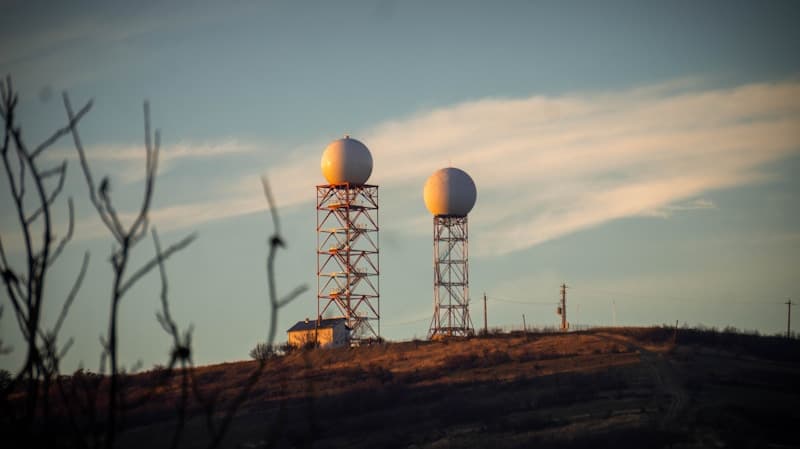
- Flash Flood Warnings: Traditional radar can overshoot low-level moisture. GNSS sees the vapor accumulation hours before the rain starts, providing critical lead time.
- Aviation Safety: Detecting microbursts (sudden downdrafts) requires 3D wind and moisture data around airports. GNSS provides this without the blind spots of radar.
- Drone Corridors: As drone delivery scales, we need weather data at 400 feet, not just at ground level. GNSS tomography fills this "low-altitude data gap."
Conclusion
We are moving from an era of sparse, 2D weather observation to dense, 3D atmospheric sensing. The most exciting part? The hardware is already out there. We just had to look at it differently. The same signal that tells you where you are is now telling us what the sky is doing above you.